


Part 1 Who Are Young Adult Cancer Survivors?
Young adult cancer survivors are individuals who have been diagnosed with cancer between the ages of 18 and 39. Because of the unique physical and social developmental factors of young adulthood, they experience cancer and cancer treatment differently than younger and older age groups.
We provide the following information about young adult cancer, drawing from published articles and websites that offer context on the topic. Notably, young adult cancer information is often embedded with information about adolescent cancer. When available, we share details specific to young adulthood; when not available, we provide information that also integrates the experiences of adolescent survivors.
The National Cancer Institute estimates that 85,480 adolescents and young adults ages 15-39 would be diagnosed with cancer in the United States in 2025. This represents approximately 4.2% of all cancer diagnoses.
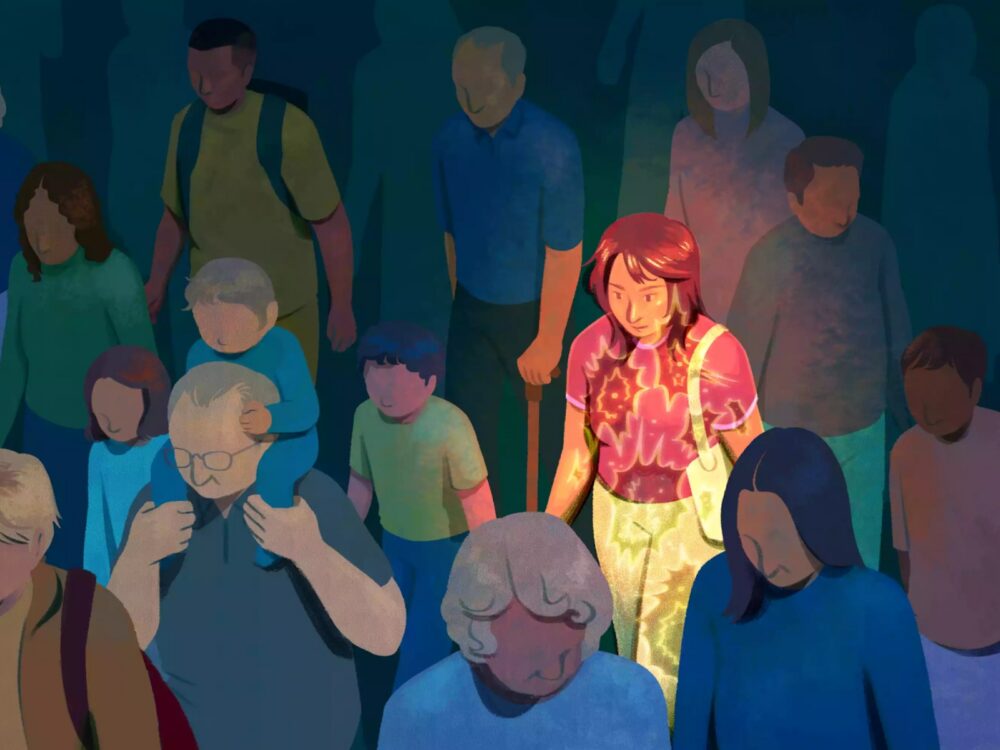
Source of image: Bagos, C. (2024, January 22) Why is cancer rising in young adults? Verywell Health
Part 2 How Prevalent is Cancer Among Younger Adults?
The rate of cancer diagnosis among young adults is increasing. Memorial Sloan Kettering, a leading cancer treatment center in the United States, predicts that cancer in this age group will increase by 30% globally from 2019 to 2030. The most common types of cancer in young adulthood include colorectal, breast, prostate, uterine, stomach (gastric), and pancreatic.
For a description of the most common types of cancer in young adulthood and links to further information, including a thorough presentation of treatment options and side effects, you can visit the American Cancer Society or the National Cancer Institute websites.
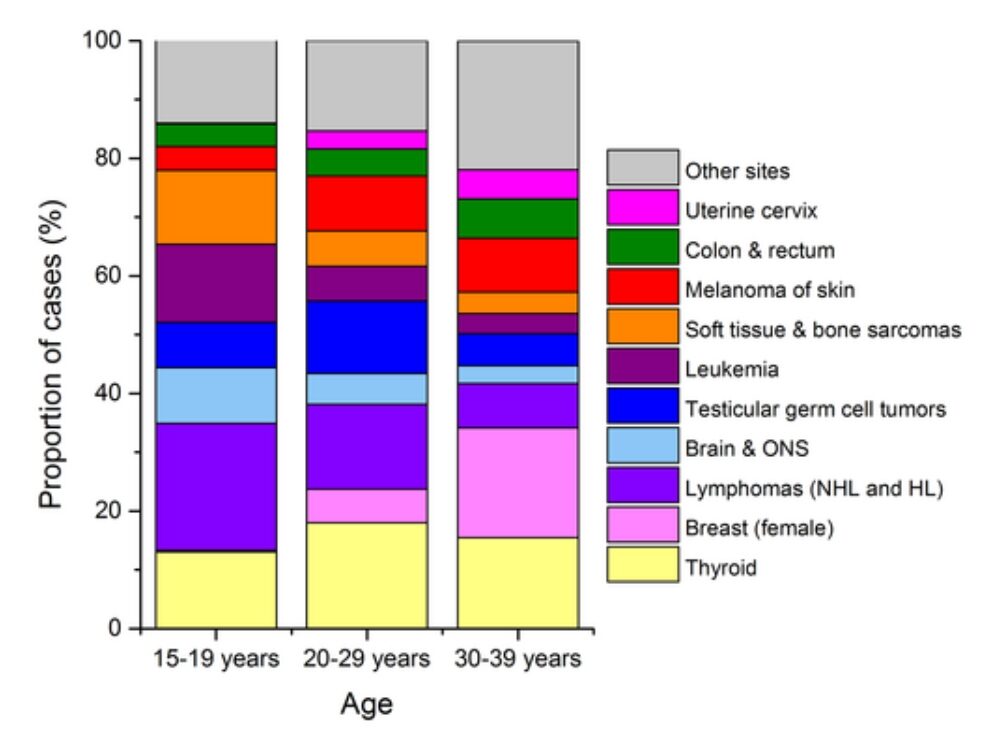
Expand image of cancer diagnosis for young adults chart
Source of image: Miller, K. D., Fidler‐Benaoudia, M., Keegan, T. H., Hipp, H. S., Jemal, A., & Siegel, R. L. (2020). Cancer statistics for adolescents and young adults, 2020. CA a Cancer Journal for Clinicians, 70(6), 443–459.
American Cancer Society’s statistics about diagnosis rates per year and mortality rates.
Part 3 What are the Common Treatments and Side Effects for Cancer in Young Adults?
The categories of cancer treatments that young adults receive are the same as those used with other age groups, and the specific treatment course depends on their type and stage of cancer.
Common categories of treatment include:
- Surgery
- Radiation therapy
- Chemotherapy
- Targeted therapy drugs
- Hormone therapy
- Immunotherapy
- Stem cell transplant
Common side effects from treatment can include:
- Challenges with fertility (the capability to have children)
- Potential to develop another cancer
- Trouble with the heart or lungs due to chemo and radiation treatment in the chest area
- Increased risk for vision or hearing due to chemotherapy or radiation to the head
- Potential for damage to the kidneys, bones, or other organs
- Enhanced possibility for pain and swelling
- Challenges with hormonal levels
All statistics courtesy of the American Cancer Society.

Expand image of common cancer treatment side effects diagram
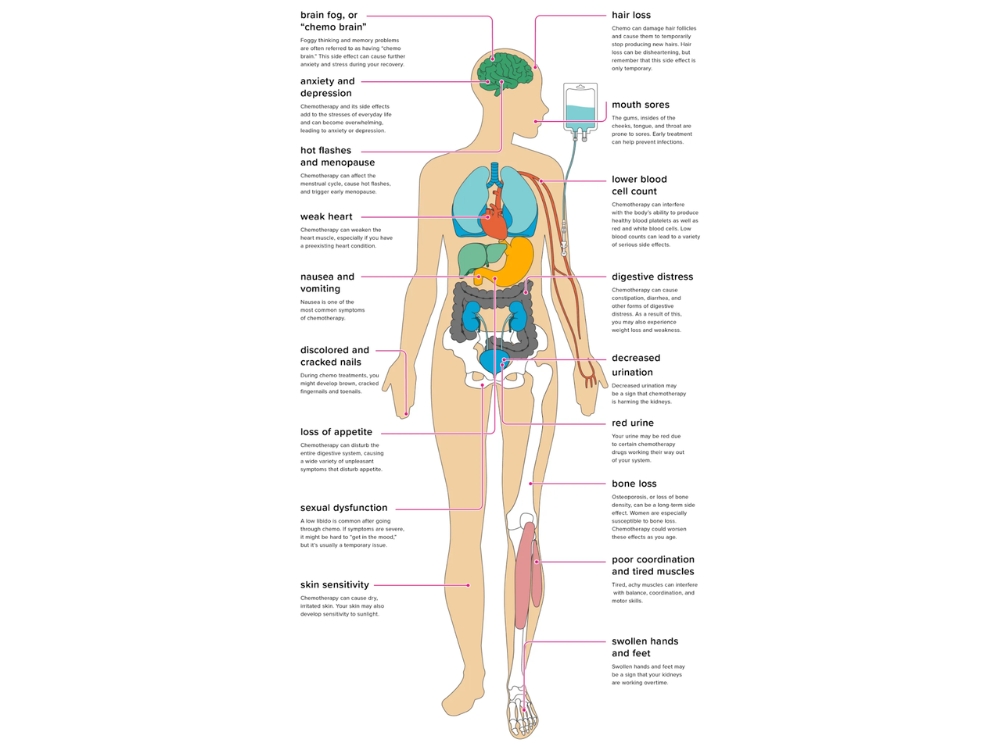
Source of the image: Pietrangelo, A. (2025, January 16). The effects of chemotherapy on your body. Healthline.
Part 4 How are Young Adults Uniquely Impacted Emotionally, Socially, and Financially by a Cancer Diagnosis and Treatment?
The physical symptoms of cancer and side effects from treatment often result in changes to young adults’ emotional, social, and financial quality of life. The following presents a few examples of the far-reaching influence cancer has on young adults’ lives.
Psychological distress
Young adults who are diagnosed with cancer often report poorer mental health than their non-cancer peers.1-2 They are at increased risk of mental health challenges, including anxiety, depression, suicidal thoughts, and other mood disorders.3 These psychological impacts often result from changes to what young adults envisioned their lives would be in young adulthood, including their physical ability, academic and vocational plans, as well as their visions for romantic and social relationships.4-5
Relational and Social Challenges
Social networks: Because of the rarity of cancer in this developmental phase, friendship groups don’t readily understand the experience of living with cancer. This can lead to social isolation for young adults.6 Some young adults find connection and belonging through cancer survivor peers; however, they may also experience the impacts of grief if their cancer peer dies.7 Some young adults may experience challenges in dating or romantic relationships due to illness-related changes and fears of cancer interfering with future well-being.8 Young adults parenting during treatment and recovery often wrestle with balancing their health needs with the needs of their family members.9-10
Identity and Existential Crisis
Young adults, given the developmental pause cancer creates, commonly experience identity crises, existential distress, and despair.4 They may question how to reconcile their pre-cancer goals with their present-day ability to achieve those goals. Common barriers to achieving these goals include pain, limited energy, brain fog, or decreased immune system functioning. Young adults commonly find themselves living in a liminal state, balancing their pre-cancer identities and dreams with their cancer survivor present-day dreams and realities.11
Employment Disruptions
Young adults often struggle with employment and education. Many YAs are unable to complete their degree due to logistical challenges and lasting effects, which are the greatest barriers.12 Some examples of short and long-term effects of cancer that can interfere with employment include cardiovascular disease, lower educational attainment, overall reduced self-report health, and increased rates of depression. The organization Cancer and Careers offers education, resources, and guidance for cancer survivors seeking guidance on their present or future career needs.
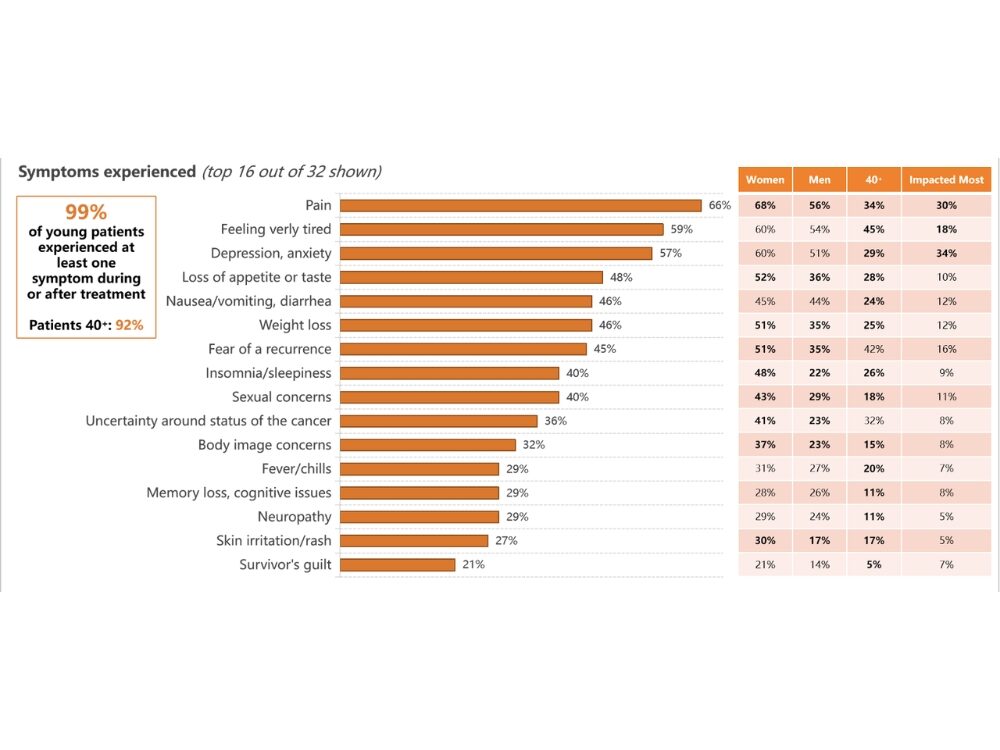
Expand image of experienced symptoms chart
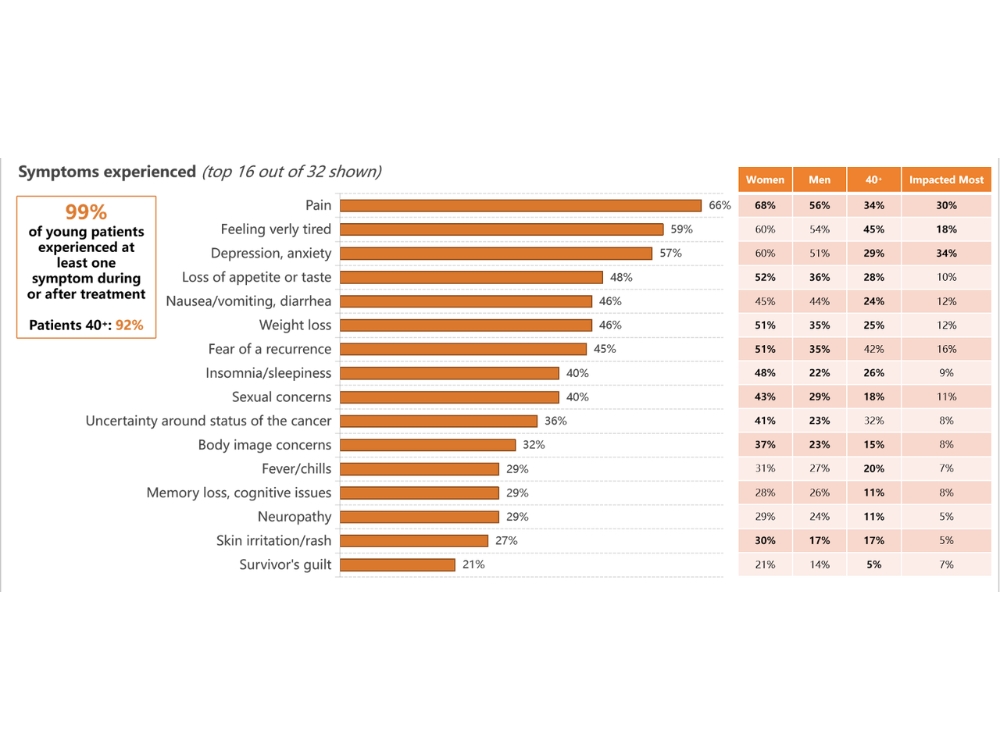
Source of the image: Adapted from Stupid Cancer. (2025, June 9). Stupid Cancer x NCCS: The State of Survivorship Survey 2024: AYA Cancer – Stupid Cancer.
Part 4.5 How Cancer Diagnosis and Treatment Impacts Young Adults Financially
Healthcare Insurance and Financial Toxicity
Insurance
Due to the timing of their illness, many young adults face challenges with their insurance and worry about coverage for future care needs.13 They may no longer be covered through their parents’ insurance plans or may experience work instability that creates barriers to accessing insurance.14 Concerns of treatment late effects and tensions around state and federal insurance changes increase distress over insurability.
Financial Strain
Given the complex treatment plans young adults receive for their illness, they commonly encounter exorbitant insurance co-pays and out-of-pocket expenses. They may also experience interruptions in employment and have reduced time, given their young age, to acquire wealth to offset these financial hardships. As such, they frequently encounter financial distress. The following chart portrays the financial impacts experienced by adolescent and young adult survivors.
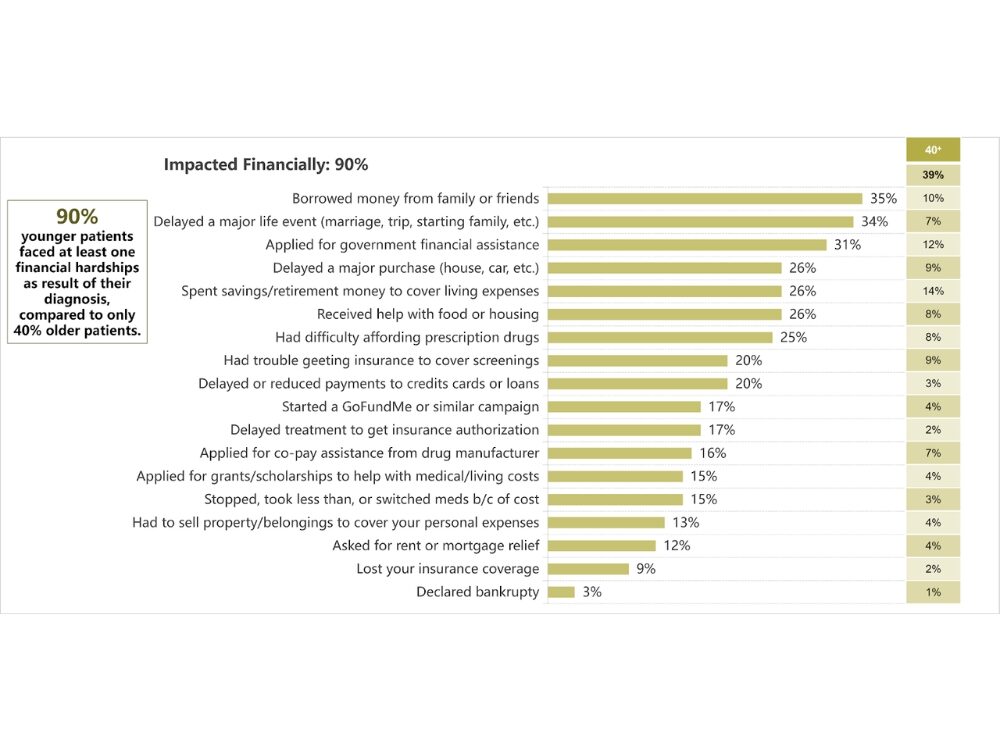
Expand image of financial impacts chart
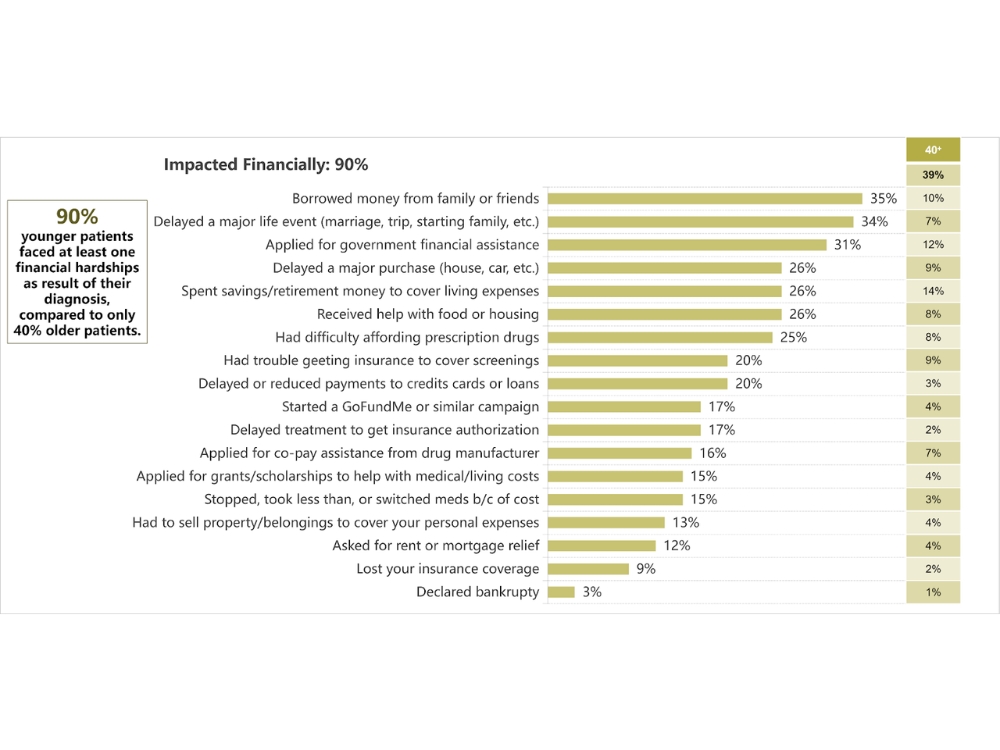
Source of the image: Adapted from Stupid Cancer. (2025, June 9). Stupid Cancer x NCCS: The State of Survivorship Survey 2024: AYA Cancer – Stupid Cancer.
Part 5 How Can I Advocate for Equitable Access to Cancer Care and Support for Young Adult Cancer Survivors?
You may be wondering how you can help to advocate for increased research and funding to support cancer prevention, treatment, and survivorship care for young adults. There are several simple steps that you can take to help reduce disparities in young adult cancer.
Contact your representative
Decisions for cancer funding and policies are made at the United States Capitol and can take place through the work of various committees. The simplest way to share your concerns about disparities in young adult cancer is to contact your representative. You can either email or call the person representing you in the Senate and House of Representatives. When you reach out, you will want to let them know that you live in their district. Then you can share why you feel it is essential that they vote to increase funding and policies to improve cancer incidence and treatment for young adults. You can ask to speak with someone in our representative’s office to voice your concerns and ask about your legislator’s stance on cancer funding.
To find your legislators, you can call the United States Capitol Switchboard at 202-224-3121 or go to the House of Representatives and United States Senate websites to search for your legislator. On these websites, you can find their phone numbers and email contact information.
Join organizations doing the work
Most cancer organizations have advocacy initiatives that work to improve cancer care and mortality rates. These are commonly grouped by cancer type or cancer issues. Several organizations, such as Stupid Cancer, the Ulman Foundation’s Ambassador Program, and the Young Survival Coalition, work tirelessly to reduce cancer disparities among young adults.
Additionally, there are national organizations that lead advocacy training programs for survivors, caregivers, and community members, such as the American Cancer Society’s Cancer Action Network, the National Coalition for Cancer Survivorship’s Cancer Policy and Advocacy Team, and the Cancer Support Community’s Action Center. You can reach out to these organizations through their websites to find out ways to become involved.
Share your story
Another powerful advocacy tool is the use of sharing personal cancer narratives. Whether you are a young adult survivor or someone who supports a young adult survivor, your story can make a difference. This can look like advocating for needs at the doctor’s office or with legislators, hearing how cancer is impacting your life and ways that they can better support you in meeting your needs. Please be mindful that if you are advocating for a young adult’s personal cancer treatment or mental health care, you will want to get their permission before speaking on their behalf. If you are advocating with your legislators, you can share how cancer has impacted your life and seek their support on legislation to enhance research funding to prevent cancer in young adulthood and to improve the quality of life of young adults experiencing cancer.
If you are a survivor and want to share your story, several organizations offer resources to give you the skills to write your story. These range from artistic expression activities at the Cactus Cancer Society and Elephants and Tea, to advocacy initiatives at the Ulman Foundation. You can also reach out to your social worker or an advocacy organization that represents your type of cancer to learn about ways to share your story.
Additionally, you can join other young adult cancer survivors through our Through the Lens campaign and share your story and what you want others to know about young adult cancer and how best to support young adults going through treatment and recovery.
References
Citation List
- Lane, B., Fowler, K., Eaton, G., Chalifour, K., & Garland, S. N. (2020). Prevalence and factors associated with high levels of distress in young adult cancer survivors compared to matched peers. Supportive Care in Cancer, 29(5), 2653–2662. https://doi.org/10.1007/s00520-020-05785-3
- Tanner, S., Engstrom, T., Lee, W. R., Forbes, C., Walker, R., Bradford, N., & Pole, J. D. (2023). Mental health patient‐reported outcomes among adolescents and young adult cancer survivors: A systematic review. Cancer Medicine, 12(17), 18381–18393. https://doi.org/10.1002/cam4.6444
- McGrady, M. E., Willard, V. W., Williams, A. M., & Brinkman, T. M. (2023). Psychological outcomes in adolescent and young adult cancer survivors. Journal of Clinical Oncology, 42(6), 707–716. https://doi.org/10.1200/jco.23.01465
- Currin-McCulloch, J., Kaushik, S., & Jones, B. (2021). “When will I feel normal?” Disorienting grief responses among young adults with advanced cancer. Cancer Nursing, 45(2), E355–E363. https://doi.org/10.1097/ncc.0000000000000977
- Zebrack, B. J. (2011). Psychological, social, and behavioral issues for young adults with cancer. Cancer, 117(S10), 2289–2294. https://doi.org/10.1002/cncr.26056
- Sodergren, S. C., Husson, O., Robinson, J., Rohde, G. E., Tomaszewska, I. M., Vivat, B., Dyar, R., & Darlington, A.-S. (2017). Systematic review of the health-related quality of life issues facing adolescents and young adults with cancer. Quality of Life Research, 26(7), 1659–1672. https://doi.org/10.1007/s11136-017-1520-x
- Johnson, L., Torres, C., Sykes, A., Gibson, D. V., & Baker, J. N. (2017). The bereavement experience of adolescents and early young adults with cancer: Peer and parental loss due to death is associated with increased risk of adverse psychological outcomes. PLoS ONE, 12(8), e0181024. https://doi.org/10.1371/journal.pone.0181024
- Warner, E. L., Kent, E. E., Trevino, K. M., Parsons, H. M., Zebrack, B. J., & Kirchhoff, A. C. (2016). Social well-being among adolescents and young adults with cancer: A systematic review. Cancer, 122(7), 1029–1037. https://doi.org/10.1002/cncr.29866
- Inhestern, L., Bultmann, J. C., Beierlein, V., Möller, B., Romer, G., Koch, U., & Bergelt, C. (2016). Understanding parenting concerns in cancer survivors with minor and young-adult children. Journal of Psychosomatic Research, 87, 1–6. https://doi.org/10.1016/j.jpsychores.2016.05.008
- Whisenant, M., Jones, M., Ann-Yi, S., Necroto, V., Skrljac, A., Bruera, E., & Milbury, K. (2023). Living with an advanced cancer while Parenting minor children: A Needs Assessment study. Journal of Pain and Symptom Management, 66(2), 160-167.e3. https://doi.org/10.1016/j.jpainsymman.2023.04.027
- Currin-McCulloch, J., Walsh, C., Gulbas, L., Trevino, K., Pomeroy, E., & Jones, B. (2020). Contingent hope theory: The developmental exploration of hope and identity reconciliation among young adults with advanced cancers. Palliative & Supportive Care, 19(4), 437–446. https://doi.org/10.1017/s1478951520000656
- Stone, D. S., Ganz, P. A., Pavlish, C., & Robbins, W. A. (2017). Young adult cancer survivors and work: A systematic review. Journal of Cancer Survivorship, 11(6), 765–781. https://doi.org/10.1007/s11764-017-0614-3
- Salsman, J. M., Bingen, K., Barr, R. D., & Freyer, D. R. (2019). Understanding, measuring, and addressing the financial impact of cancer on adolescents and young adults. Pediatric Blood & Cancer, 66(7), e27660-n/a. https://doi.org/10.1002/pbc.27660
- Parsons, S. K., & Kumar, A. J. (2019). Adolescent and young adult cancer care: Financial hardship and continued uncertainty. Pediatric Blood & Cancer, 66(4), e27587-n/a. https://doi.org/10.1002/pbc.27587