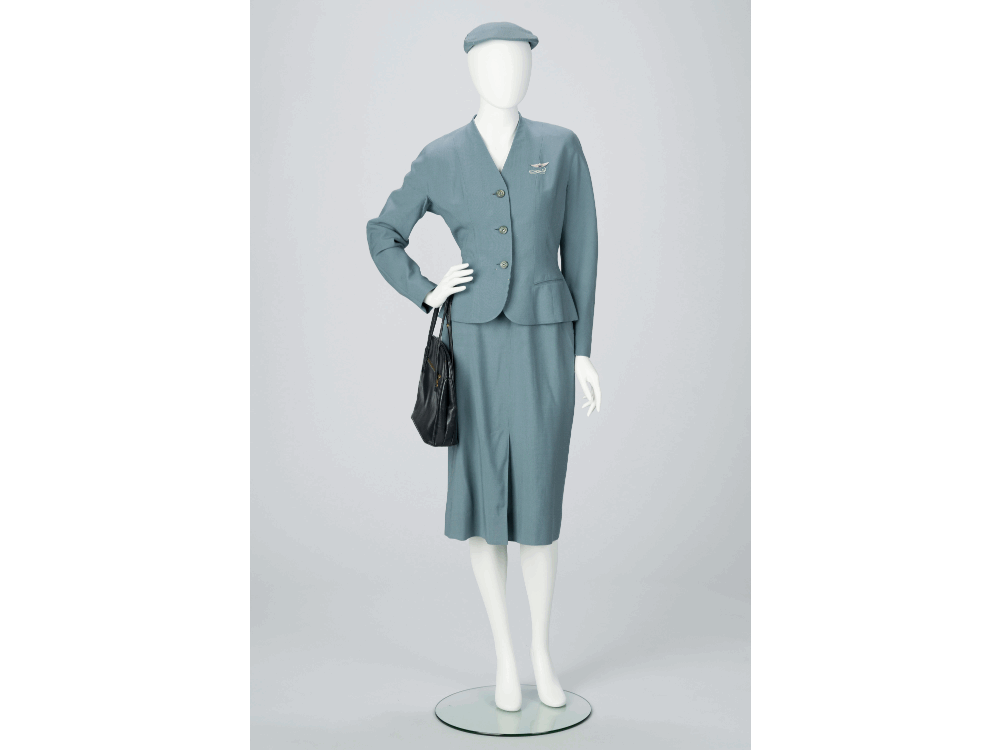
January 21 - May 3, 2025 Fashions for Flying
It is difficult to imagine modern life without air travel. Every day, approximately 45,000 domestic flights transport nearly 3 million travelers across the United States. While flying is now indispensable to personal and business travel, the aviation industry looked vastly different 100 years ago. After innovations in powered aircraft in the early 1900s, aviation quickly developed to serve military purposes. Early flight suits and apparel were designed to provide protection to aviators in open air cockpits from the elements at high elevations. Following World War I, many warplanes were repurposed through government subsidies to transport mail. Entrepreneurs instantly saw an opportunity to revolutionize transportation with commercial airlines catering to passenger travel.
In the first decades of commercial air travel in the early twentieth century, the prohibitive cost of flying made it a luxury that was reserved for the socioeconomic elite. Despite perceptions of luxury, airplanes were loud and cold. Regardless of these uncomfortable conditions, passengers would don their most fashionable dresses, suits, and accessories for air travel, thereby dressing in a manner that equaled the novelty and perceived status of this mode of transportation. In recent years, comfort and practicality have influenced how many passengers choose to dress for air travel.
In 1930, Boeing Airlines employed the first female “stewardess.” Ellen Church, a 25-year-old registered nurse, was hired to aid passengers with the physical discomfort of early air travel. The addition of women flight attendants to the existing male pilot crew radically transformed the gender politics, passenger experience, and fashions associated with air travel.
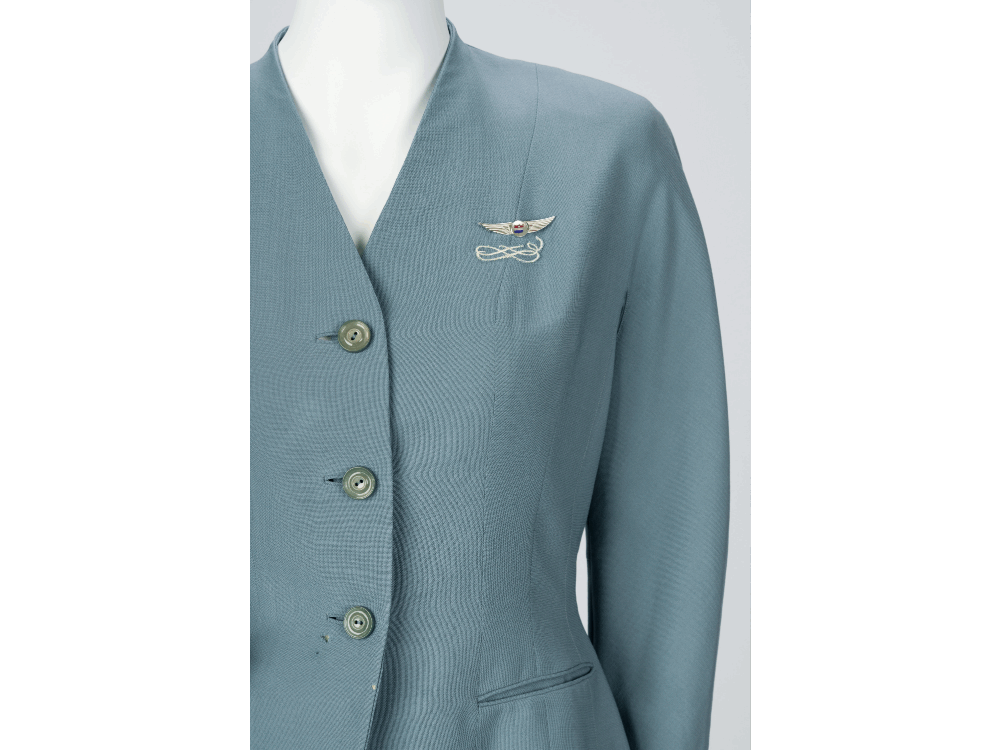
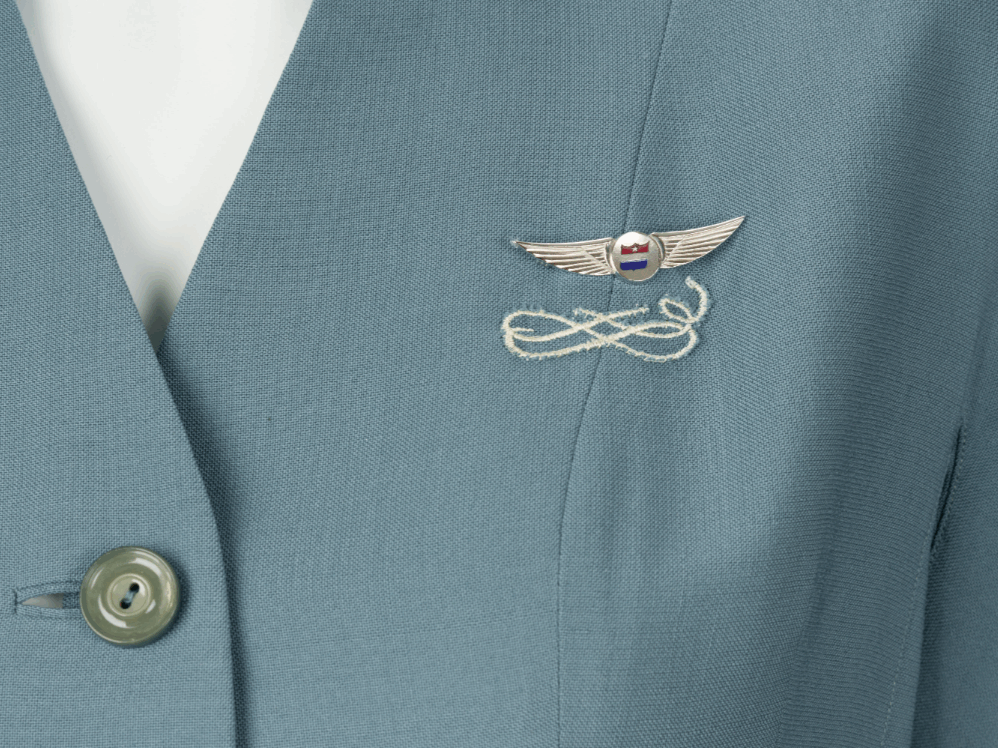
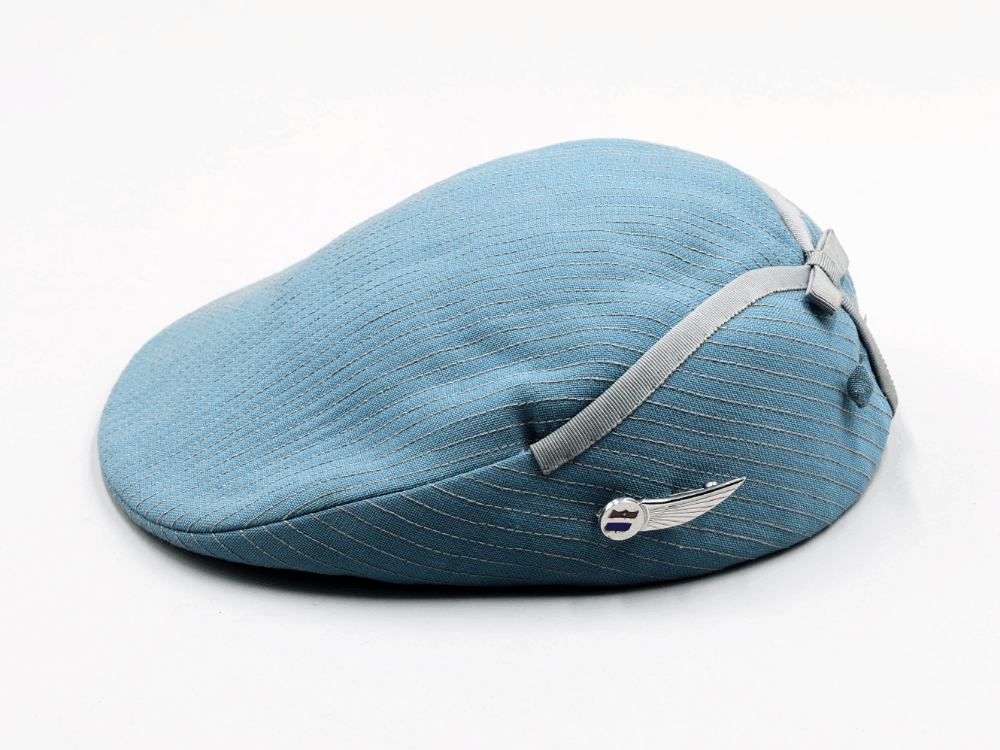
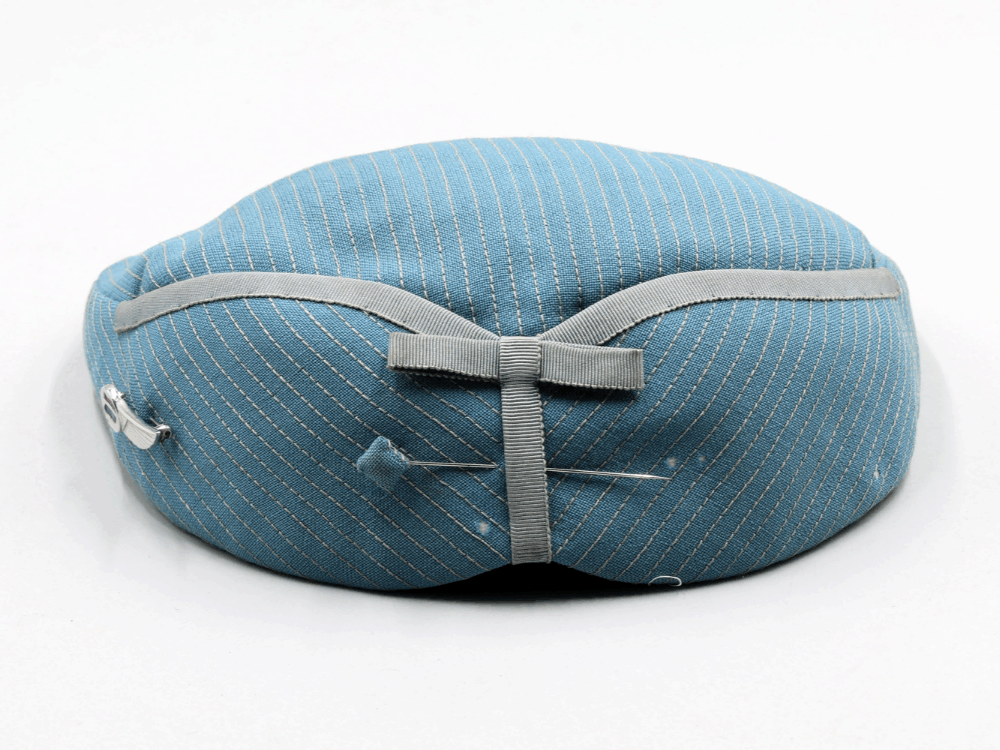
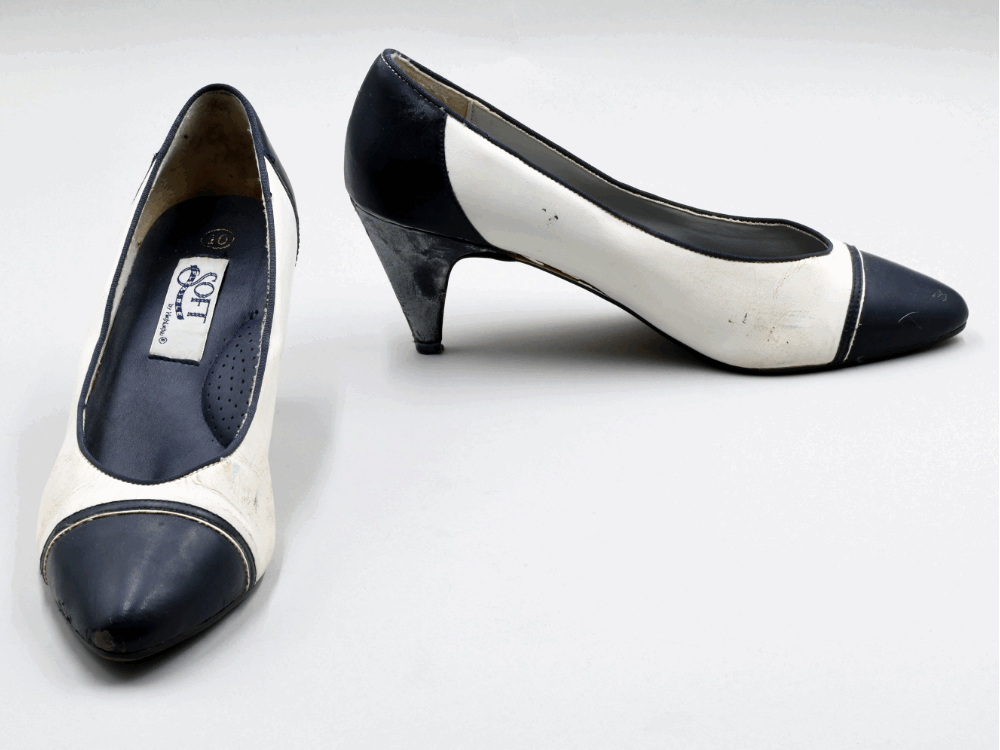
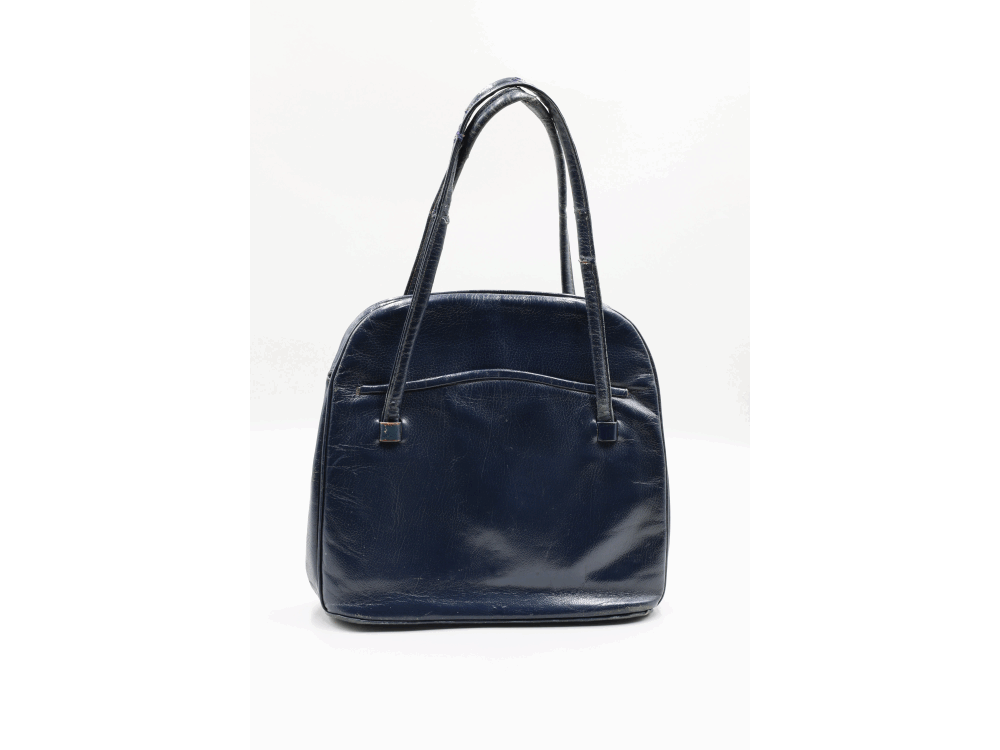
To appear visually distinct from passengers, cabin crew have long adhered to strict rules regarding their dress and appearance. The boom in passenger air travel coincided with the interwar period and onset of World War II. As such, the influence of military dress permeated the uniform design for both pilots and flight attendants as the commercial aviation industry established a professional identity that remains recognizable today. This exhibition brings together uniforms from the military and commercial aviation professions to examine the social and sartorial influences that have shaped fashions for flying.