Highlights
Hello Friends! We hope you had a great summer and are enjoying the cooler weather! We have lots of exciting new opportunities to get involved and we appreciate your continued support!
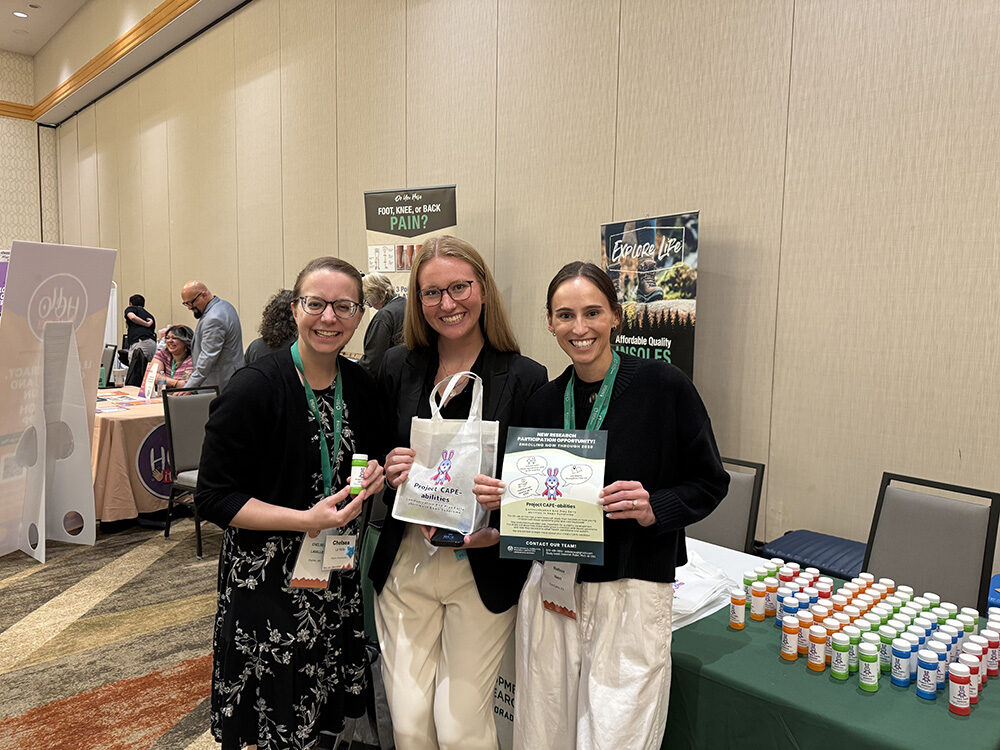
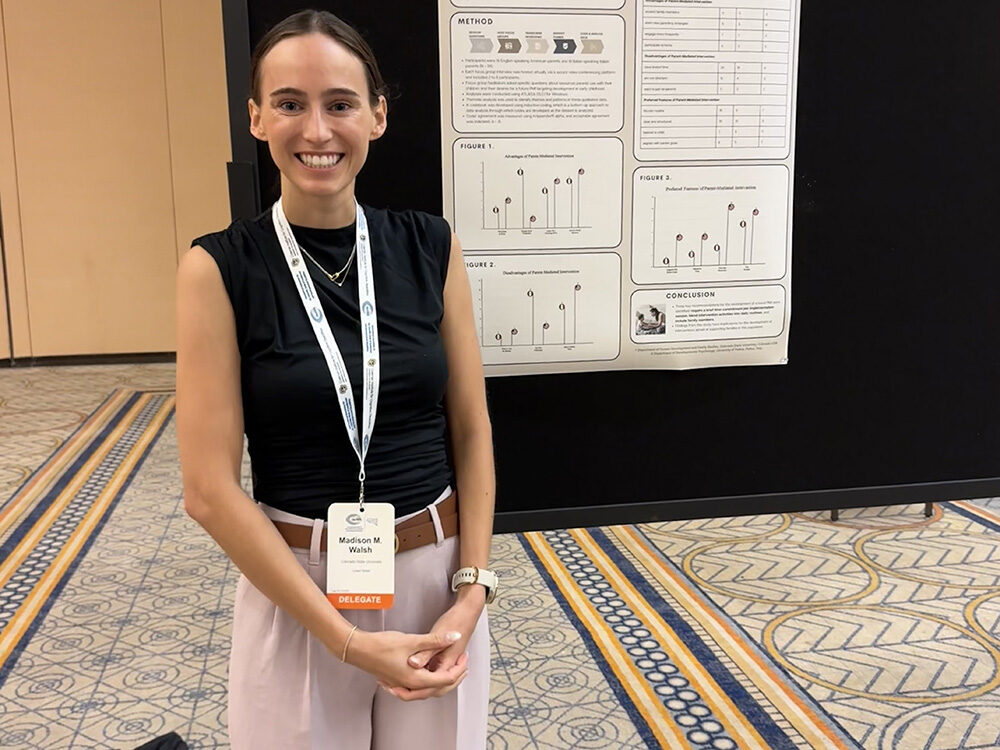
We had such a happy DD Lab reunion at the Gatlinburg Conference on Research and Theory in Intellectual and Developmental Disabilities in Kansas City in Spring 2024! So many DD Lab graduates are conducting important and impactful work! We are so proud of them!

New Funded Study Project EXPO
The DD Lab is excited to launch “Project EXPO”, an NIH-funded study that will refine and evaluate a new intervention designed for young children with Down syndrome! EXPO (EXecutive function Play Opportunities) is a parent implemented intervention that aims to support early cognitive foundations during the preschool years. Interested in finding out more?
Contact our team at (970) 680-3415 or ddlabcsu@gmail.com
Congratulations RAM Scholars!
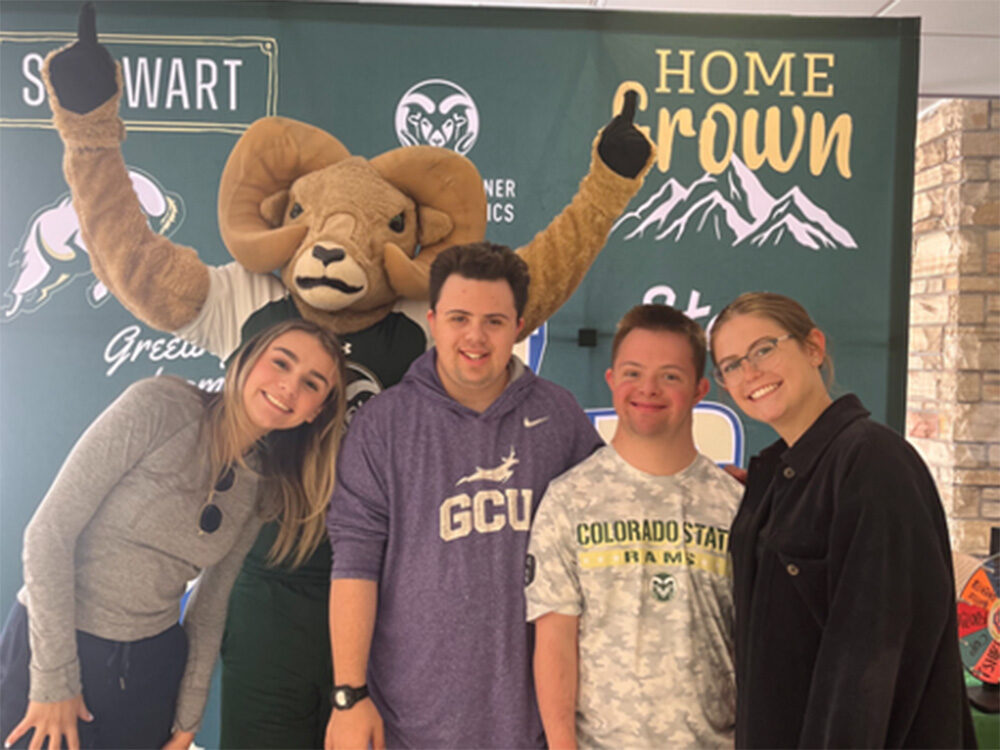
Congratulations to our RAM Scholars for a fantastic summer internship experience at CSU’s ARDEC farm and an exciting start to the fall semester! Our scholars are learning so much about plant science, animal science, and professional skills! And their peer mentors are developing critical professional skills for supporting neurodiverse adults! Go RAM Scholars and go Rams!
DD Lab Collaboration with the Crnic Institute!
The DD Lab is excited to offer new opportunities to participate in research on cognition and underlying biology in our new studies. Our team is partnering with the Crnic Institute to link biological factors to thinking and behavior skills in people with Down syndrome! We are using a new technology to collect blood samples with a device called Tasso that does not involve a needed poke. That means participation with no tears! Interested in learning more? Contact us!
Science Corner New Insights about Early Learning in Down Syndrome
Your participation helped us describe the connection between attention skills in infants with Down syndrome and later thinking skills and behavior outcomes during childhood.
Study Activities: In this study, we examined how much time infants spent visually focusing on an interesting toy that was placed in front of them, as well as how much they focused on other aspects of their visual surroundings. We then visited participants several years later and asked caregivers to answer questions about their child’s thinking skills and behavior.
What did we find? Infants who looked at the object presented and also visually explored other information in their environment gained greater cognitive and behavior regulation skills by the time they reached the preschool years than infants who focused mostly on the toy.
Why is this important? These findings suggest that infants who focus on fewer visual elements in their surroundings may be at risk for challenges with thinking and behavior later on. This could lead to important new ways of identifying which young children are in need of more intensive intervention plans.