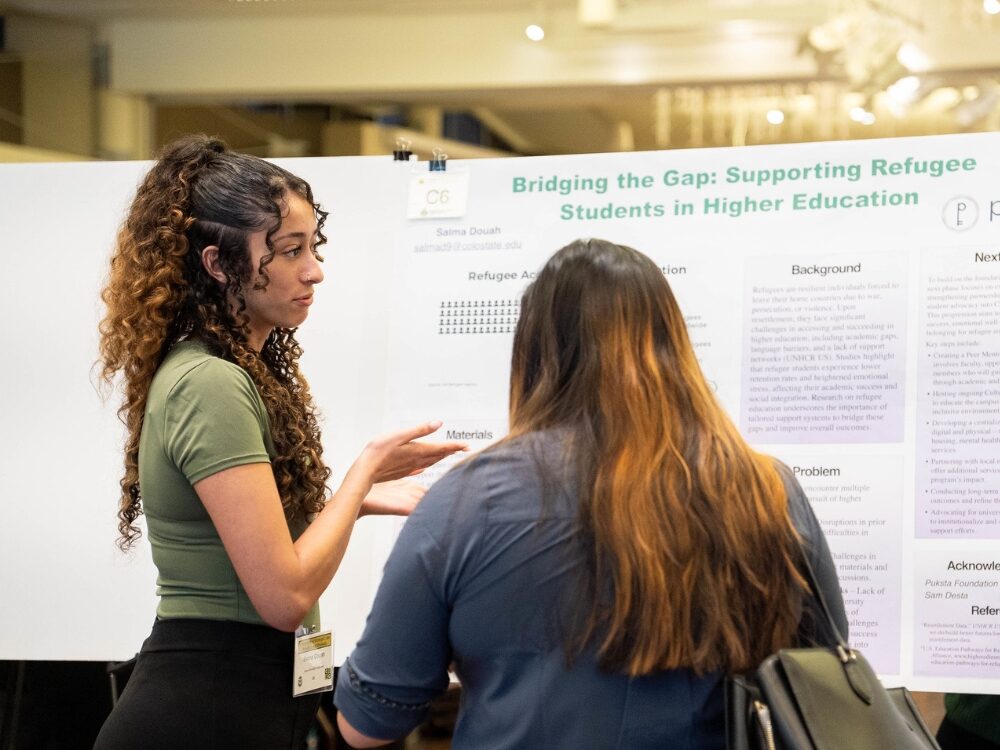
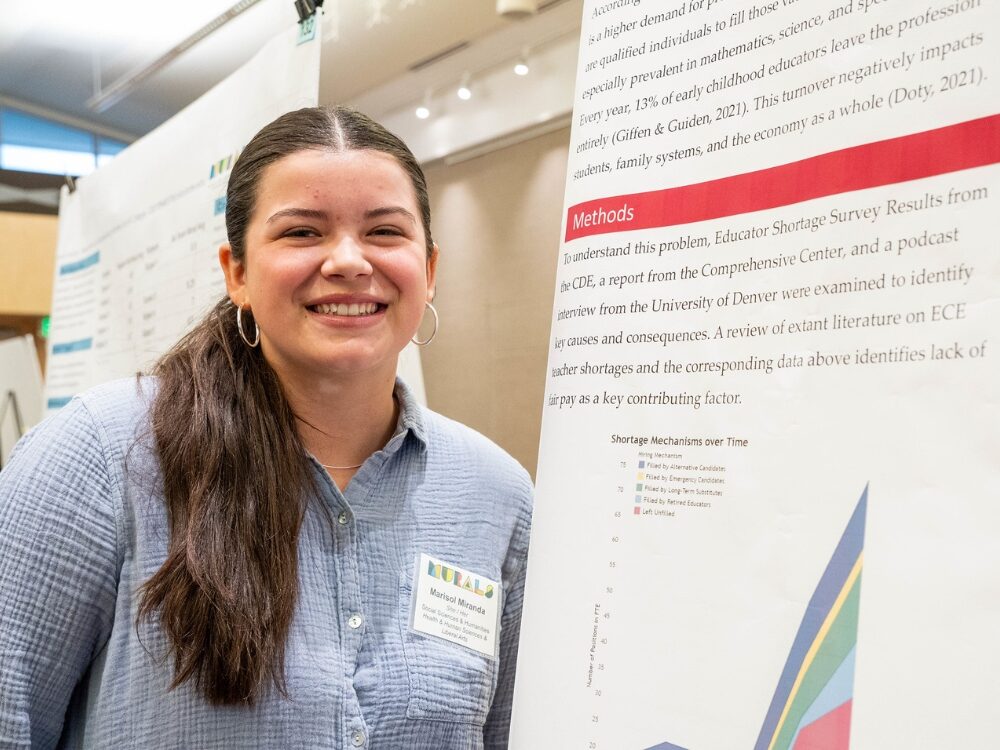
Key benefits Why research as an undergraduate student?
Participating in research as an undergraduate in Human Development and Family Studies at CSU will allow you to explore and deepen your passion, enhance your knowledge, and grow your community, all while preparing you for your future career—regardless of the path you decide to take.
Apply what you learn in the classroom to real-world projects with award-winning faculty mentors dedicated to helping people optimize their mental, physical, and social health and well-being.
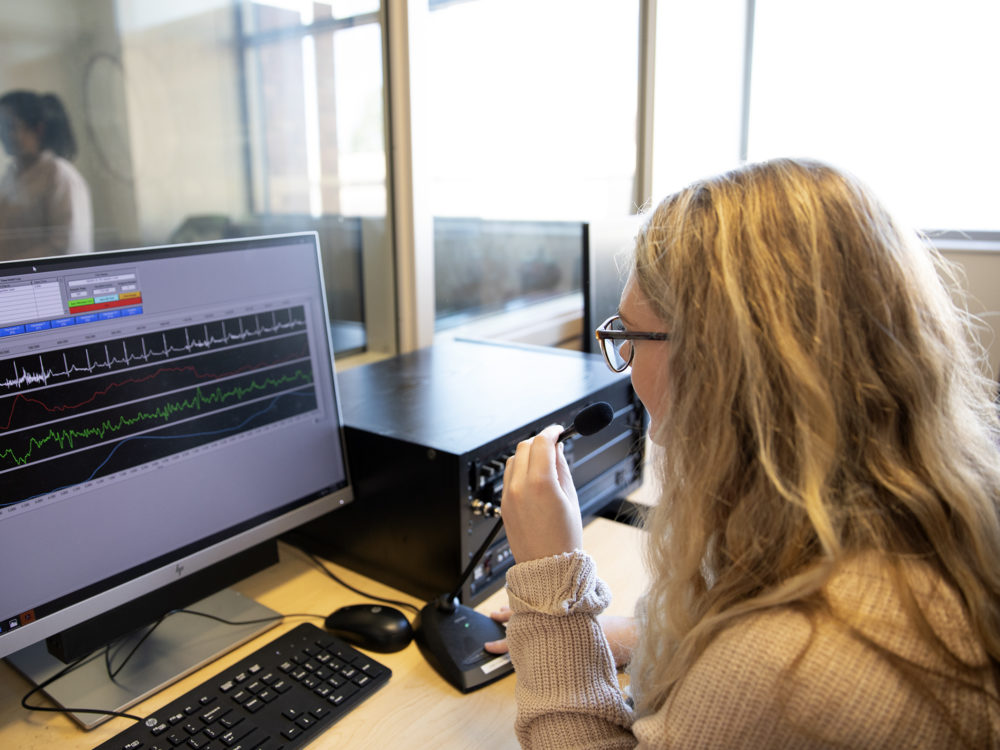
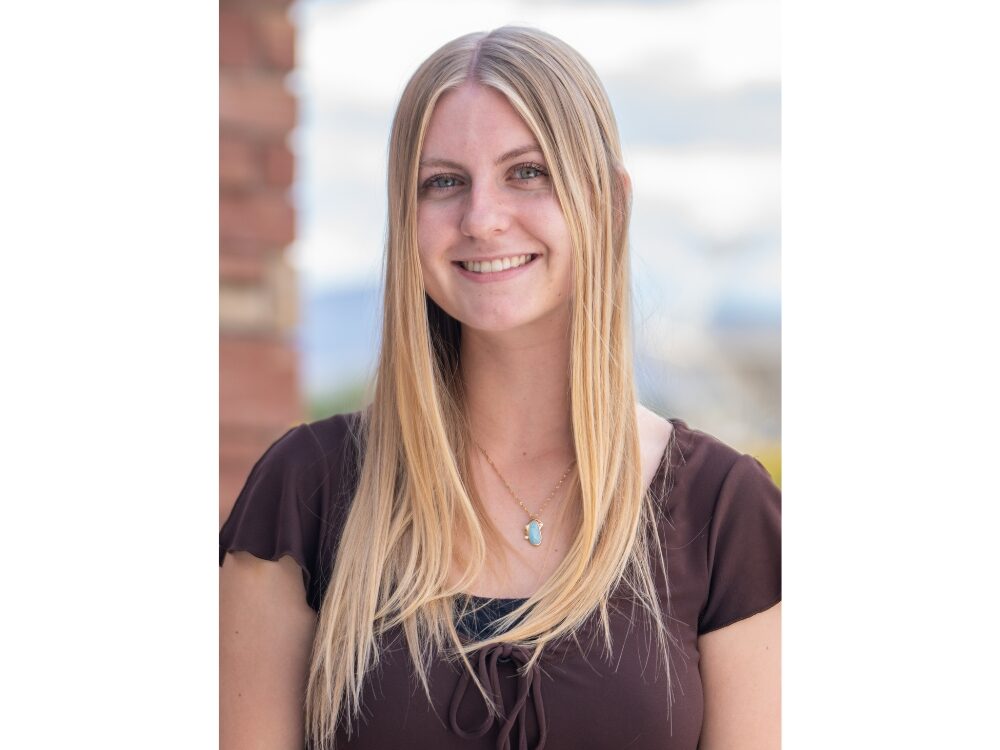
Student Stories Our Undergraduate Researchers
Get to know some of our Human Development and Family Studies Research Rams who took their education to the next level by participating in our HDFS research labs.
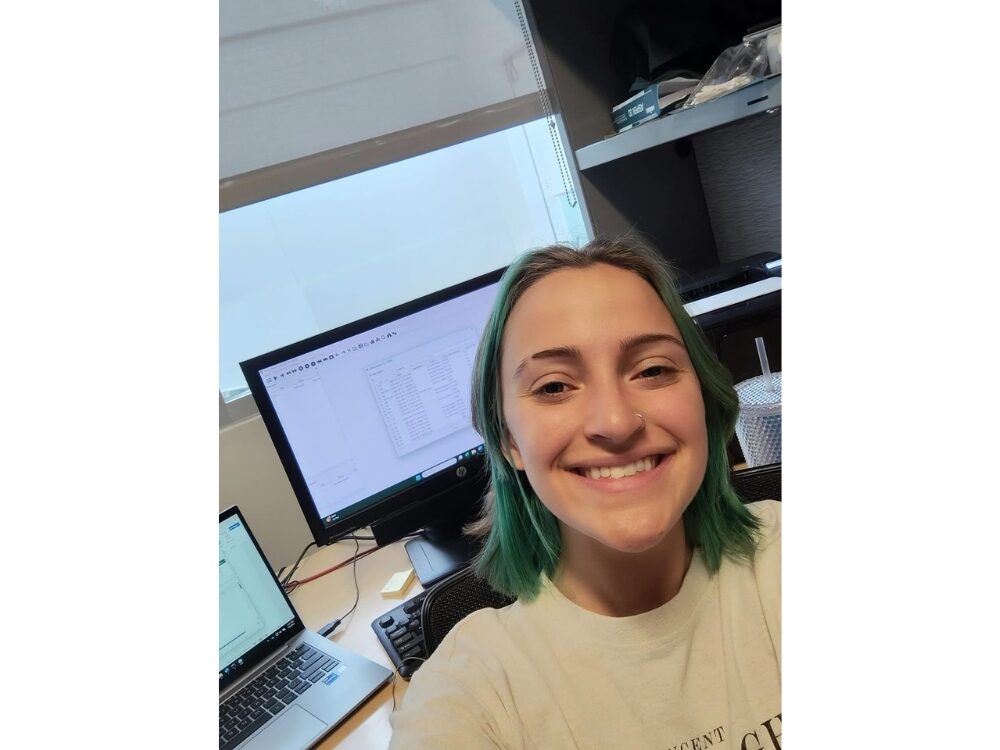
Current Lab Opportunities Get Involved in Research!
Adolescent Wellness Lab | Lauren Shomaker
Get to know the Adolescent Wellness Lab.
What we do:
- Focusing on teens, we conduct several different research studies to learn more about programs that lower stress and depression, increase healthy behaviors, and decrease adolescents’ likelihood of developing physical and mental health problems.
Key topics:
- Adolescent mental health
- Chronic disease prevention
- Health behaviors
- Social determinants of health
How you can help:
- Assisting with research assessments and intervention delivery
- Cleaning
- Creative flyer design
- Data entry
- Handling blood/saliva samples
- Preparing at-home kits for activity/sleep monitoring and processing data
- Recruitment
CALMER Lab | Rachel Lucas Thompson
What we do:
- The Cultivating Awareness, Learning Mindfulness, and Examining Relationships (CALMER) Lab seeks to understand how the qualities of family relationships are related to adolescent biological and mental health.
Key topics:
- Adolescence
- Mental health
- Mindfulness
- Stress
How you can help:
- Assisting with the implementation of standardized lab tasks
- Data coding and data cleaning
CSU Trauma and Resilience Assessment Center (CTRAC)
What we do:
- CTRAC provides resilience-based trauma assessments and offers recommendations that focus on helping youth and families recognize, understand, and value their own strengths in responding to and healing from trauma.
Key topics:
- Child welfare
- Childhood trauma
- Developmental trauma
- Juvenile justice
How you can help:
- Recruiting and enrolling human subjects
- Potential tasks
- Data collection
- Poster presentations
Health, Emotion, and Aging Research Team | Gloria Luong
What we do:
- Our lab group examines how individuals develop the abilities to regulate emotional experiences and cope with daily stressors and how these skills can be harnessed to promote healthy and successful aging.
Key topics:
- Aging
- Coping
- Culture
- Emotion regulation
- Health
- Resilience
- Stress
- Well-being
How you can help:
- Data cleaning
- Study documentation
- Literature searches and reviews
- Video coding
Human Trajectories Lab | Stephen Aichele
What we do:
- The HTL Lab seeks to understand how individual differences in age-related cognitive trajectories are shaped by biopsychosocial factors—and how cognitive processes in turn influence mental health (dementia and depression risk) and longevity (mortality risk) in later adulthood.
Key topics:
- Advanced statistical methods
- Cognitive aging
- Successful aging
How you can help:
- Basic statistical analyses (with oversight/support provided)
- Data transcription and cleaning
- Literature search
Parent-Child Relationships and Well-Being Lab | Samantha Brown
Get to know the Parent-Child Relationships and Well-Being Lab
What we do:
- The Parent-Child Relationships and Well-Being Lab seeks to enhance relationships, health, and well-being among children and families and to provide children and families with additional supports and resources to help them thrive
Key topics:
- Community-engaged research
- Early life adversity
- Parent-infant relationships
- Perinatal mental health
- Prevention and intervention
- Sleep
- Stress physiology
How you can help:
- Assisting with visit preparation
- Assisting with saliva sample pre-processing
- Coding parent-infant interactions
- Conducting literature searches
- Data entry and cleaning
- Organizing study files
- Supporting recruitment and retention of participants
PEACE Lab | Jenn Finders
What we do:
- In the Promoting Equitable Access to Early Childhood Education (PEACE) lab, we take a systems approach to strengthen the reach and effectiveness of early childhood education for underserved and underrepresented populations.
Key topics:
- Child development and education
- Classroom quality
- Early care and education policy
- Family and educator well-being
- Equitable access
- School readiness
How you can help:
- Data collection
- Data cleaning and processing
- Dissemination of findings
- Interview coding
- Literature reviews
- Participant recruitment
- Video coding
Prevention Research Center (PRC)
Get to know the Prevention Research Center
What we do:
- The PRC is a campuswide, trans-disciplinary center committed to studying the development, implementation, and evaluation of effective and sustainable intervention programs that promote individual and family health and wellness throughout the lifespan
Key topics:
- Child-rearing practices
- Community intervention programs
- Guiding good choices
- Partners mentoring
- Risk/protective processes & resilience (individual, family, community)
How you can help:
- Data entry and report writing
- Possible data analyses
RAMS ChAT Lab | Rob Duncan
What we do:
- The Research Using Advanced Methods to Study Children’s Achievement and Talk (RAMS ChAT) lab uses advanced quantitative methods to study children’s early development of school readiness skills and the role of environments
Key topics:
- Achievement
- Language development
- Language environments
- Quantitative methods
How you can help:
- Data analysis and (possible) collection
- Paper or presentation preparation
- Potentially working with community partners
RAMS Lab | Melissa Fenton
Get to know the Rural and Agricultural Mental Health and Substance Use (RAMS) Lab
What we do:
- The RAMS Lab focuses on reducing behavioral health disparities in rural and agricultural communities by examining the influences of individual, family, community, and macro-level risk and protective processes on mental and behavioral health outcomes and evaluating behavioral health promotion interventions and initiatives in partnership with the Colorado AgrAbility Project.
Key topics:
- Adolescence
- Mental health
- Substance use
- Rural communities
- Rural health disparities
- Young adulthood
How you can help:
- Literature reviews
- Survey data entry and cleaning
- Outreach and intervention efforts
- Participant recruitment
- Qualitative data coding and thematic analysis
SAIL Lab | Susan Hepburn
What we do:
- In the Strengthening Autism Identification Across the Lifespan (SAIL) Lab, we seek to improve access to timely identification and school-based interventions for youth with intellectual and/or developmental disabilities and their families.
Key topics:
- Autism
- College supports
- Emerging adults
- Family-focused intervention
- Lifespan
- Neurodiversity-affirming practices
- Underserved individuals and communities
How you can help:
- Help co-design an executive function intervention for college students by participating in task force meetings, building awareness of the study, conducting and documenting stakeholder interviews, observational coding (live and via video), literature reviews, interview coding, and dissemination of findings
- Help to develop guidance for parents of minimally verbal girls who are going through puberty by:
- Recruiting participants
- Filming lab visits
- Coding behaviors
- Scoring assessments
- Entering data; and
- Disseminating findings
- Participate in campus and community outreach events
TECH Lab | Ana Gutierrez-Colina
What we do:
- The Teens Engaging in Change for Health (TECH) Research Lab is dedicated to improving adolescent health outcomes by understanding and promoting health behavior change
Key topics:
- Child and adolescent health
- Digital health equity
- Health behaviors (physical activity, sleep)
- Real-world data collection
- Technology and access
How you can help:
- Creating study materials
- Data entry, cleaning, and processing (wearables, surveys)
- Literature reviews
- Presenting research findings
- Supporting recruitment, outreach, and intervention efforts