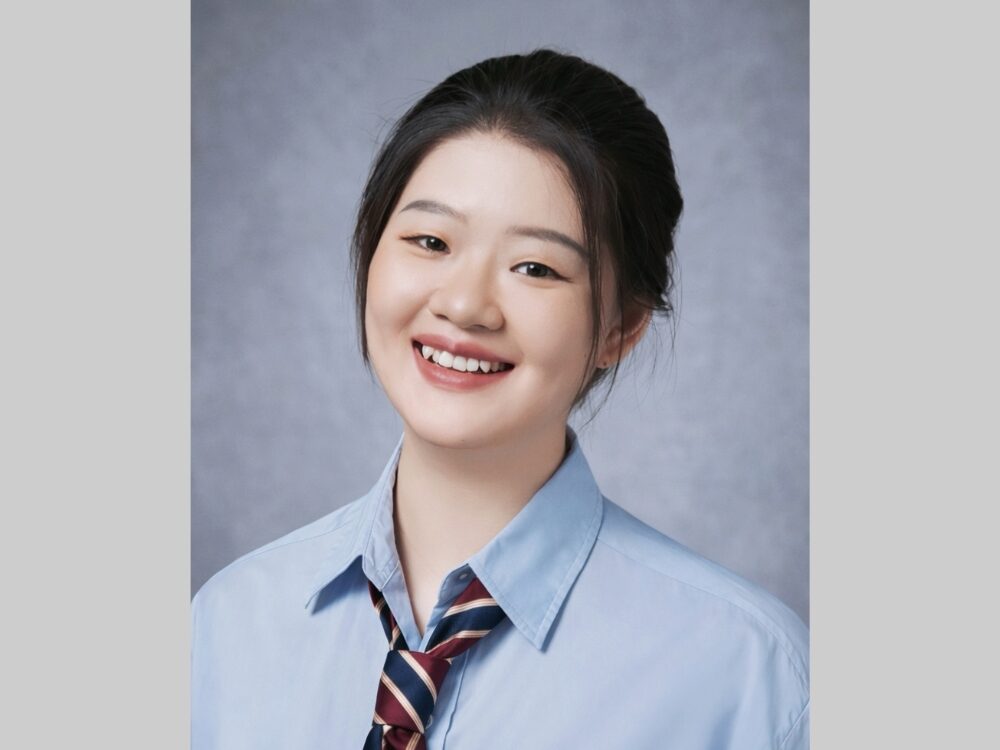
LaChaune DuHart
LaChaune DuHart is a Ph.D. candidate in Social Work at Colorado State University and expects to complete her degree in the 2026–2027 academic year. Her scholarship examined through a mixed method-quantitively focused lens on social integration, belonging, and persistence among student veterans and military-connected students across the transition from military service to higher education, with particular expertise in veterans’ education policy, US policy and social welfare, and the institutional practices that shape how students connect with campus life. LaChaune’s research centers the voices and lived experience of student veterans. Using mixed-methods, critical, and community-engaged approaches, she seeks to advance equity and belonging and to inform more responsive campus practice and policy.
Her dissertation examines social integration among U.S. student veterans, including how race shapes veterans’ connection to campus life. Her work has been supported by a Health Resources and Services grant, Veterans of Foreign Wars military grants, and Metropolitan State University of Denver research and travel grants, and she has been awarded the James and Katherine Pappas, Velma Borschell Budin, and Josh Chapel Scholarships. A retired U.S. Army veteran and first-generation graduate, she was named Student Veteran of the Year and First Generation Graduate of the Year for MSU Denver 2023. During her service with U.S. Army Medical Command, she served as a noncommissioned officer and veterinary technician, providing grief counseling to service members and military families facing the loss of their animals, and as a certified victim advocate supporting survivors of sexual assault and harassment.
These experiences, strengthened by her training in trauma-informed care, ground her research with student veterans and her trauma-informed approach to teaching. LaChaune brings over a decade of leadership in veteran services across higher education. She serves as Director of Veterans Affairs and Military Education at San Diego Miramar College, where she leads campus and MCAS Miramar operations, stewards more than $4.5 million in federal and state funding, provides managerial leadership over the college Grants Committee, and has secured Rancho Santa Fe Foundation funding for student veteran scholarships, food insecurity, and emergency aid. She also serves on the San Diego Management Association Board of Directors and as a regional Chamber of Commerce board member, advocating for defense education policy and workforce pathways for transitioning service members.
LaChaune has taught Contemporary Issues in Social Welfare Policy, Social Work Introduction, Social Welfare and Policy, Policy Analysis, and Mezzo/Macro Social Work I and II as instructor of record, and Human Behavior in the Social Environment I and II and Statistical Research and Analysis as co-instructor, across in-person, hybrid, and online formats. Grounded in an anti- oppressive, Freirean dialogic pedagogy, she also serves as a field instructor for Walden University and Metropolitan State University of Denver. Her teaching interests include social welfare policy and policy analysis, human behavior and the social environment, macro practice, and research methods. Her long-term goal is to develop a fundable, interdisciplinary research program that advances belonging, equity, and success for military-connected students and informs veterans’ education policy.

Osebe Kebaya
Osebe Kebaya, LCSW, is a PhD candidate in the School of Social Work at Colorado State University and expects to graduate in December 2026. Osebe’s research examines the perceptions and emotional responses of emerging adults to climate change, with a focus on emerging adults in Taita Taveta, Kenya. Osebe’s work explores how emerging adults understand climate change, how they emotionally respond to its impacts and uncertainties, and what these responses mean for mental health, wellbeing, and resilience. Osebe centers the lived experiences and perspectives of emerging adults in under-researched communities and uses participatory, qualitative, and photovoice approaches to engage participants as active contributors to the research process. Osebe’s broader scholarship examines the intersection of climate change and mental health and seeks to expand research conducted with and from communities that are often underrepresented in literature.
Osebe is particularly interested in advancing participatory and culturally responsive approaches to social work research and practice. As a licensed clinical social worker with more than 12 years of experience, Osebe brings diverse expertise in clinical, supervisory, and community-based practice to her scholarship and teaching. Her experience includes medical and psychiatric social work, crisis and mobile crisis response, adult protective services, aging and disability services, children’s mental health, foster care, clinical assessment, and case management. Osebe has taught in both in-person and online formats. At Colorado State University, Osebe designed and taught SOWK 450: International Social Welfare and Development and taught SOWK 130: Identity, Power & Social Justice. At Regis University, Osebe taught DP606: Gender, Inclusion, and Development and Climate, Resilience, and DP 611: Development in the Master of Sustainable Development Practice program. Osebe also recently taught Teaching and Learning for Impact during a residency in Abuja, Nigeria, as part of a Master’s in Organizational Leadership Program. Osebe’s scholarship includes two first-authored articles, one in press and one under review; two published co-authored peer-reviewed articles; one additional co-authored manuscript under review; and two manuscripts in preparation.
Osebe has also contributed to public scholarship examining the experiences of climate migrants without legal refugee status. In March 2025, Osebe received the Student One Health Award from the One Health Institute to support interdisciplinary research examining the connections among humans, animals, and the environment. Osebe’s teaching and research interests include the intersections of climate change and mental health; eco-social work and environmental justice; migration and displacement; sustainable social work practice; social determinants of health and well-being; transnational families; and global social work practice. Osebe’s long-term goal is to develop a fundable, interdisciplinary research program that fosters cross-cultural and cross-national collaboration among scholars, practitioners, and communities. Through this work, Osebe seeks to advance sustainable social work practice and expand participatory approaches to research, education, and practice while addressing complex social and environmental challenges.
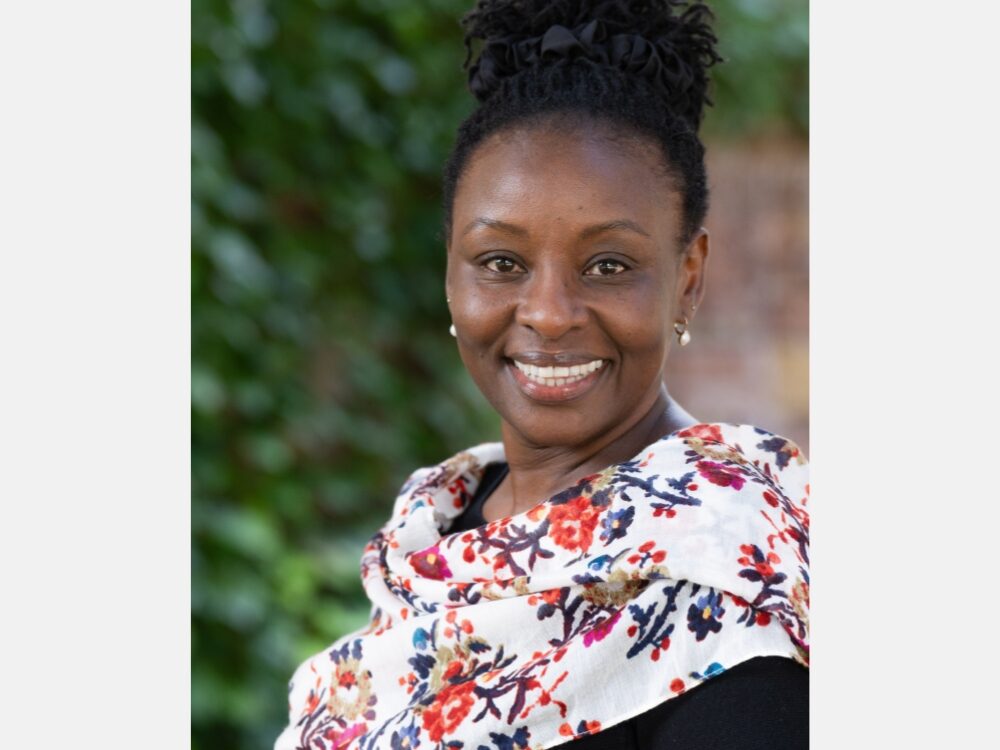
Yixuan Wang
Yixuan Wang is a PhD candidate in Social Work at Colorado State University and expects to graduate in May 2027. Her scholarship examines meaning-making and psychosocial adaptation across serious illness trajectories and the life course, with particular expertise in pediatric, adolescent, and young adult psychosocial oncology and culturally responsive palliative and end-of-life care. Yixuan’s research centers the experiential knowledge of young people and others affected by serious illness. Using participatory, arts-based, qualitative, and mixed-methods approaches, she seeks to advance developmental and epistemic justice and inform more responsive oncology care.
Her dissertation uses participatory grounded theory and photovoice to develop an adolescent- and young adult-centered theory of cancer-related meaning-making. Her broader scholarship examines medical aid in dying, advance care planning, and inclusive social work education. Within three years of doctoral training, Yixuan has published six peer-reviewed articles and has two additional manuscripts under review, including four first-authored articles. She has delivered 15 peer-reviewed conference presentations and pursued external funding as principal investigator. She also serves as Research Chair of the Association of Pediatric Oncology Social Workers and as an Editorial Board Member for the Journal of Psychosocial Oncology.
Yixuan has taught program evaluation and research methods as instructor of record and identity, power, and social justice as co-instructor across in-person and online formats. Her long-term goal is to develop a fundable, interdisciplinary research program that advances developmentally responsive, person-centered, and culturally responsive psychosocial care across the serious illness trajectory.