


October 2026 Fiber-Maxxing: How Much Fiber Do You Really Need
By Veronica Vessa
From protein-packed meals to fiber-maxxing, nutrition trends on social media are constantly changing, and while protein may have dominated nutrition conversations for a while, fiber is now taking center stage. From high-fiber cereals and snack bars to chia seeds, beans, and fiber powders, social media is encouraging people to “fiber-maxx” their diets. But what does fiber-maxxing actually mean? And do you really need to pack as much fiber into your diet as possible?
Fiber is an important part of a healthy diet, and approximately 94% of American children and adults do not meet the daily recommended intake for dietary fiber. This may lead some to believe that fiber-maxxing is a good idea. However, before you start making changes to your fiber intake, let’s dive deeper into what fiber is, how much you need, and why eating a variety of fiber-rich foods is more important than simply eating as much fiber as possible.
What Is Dietary Fiber?
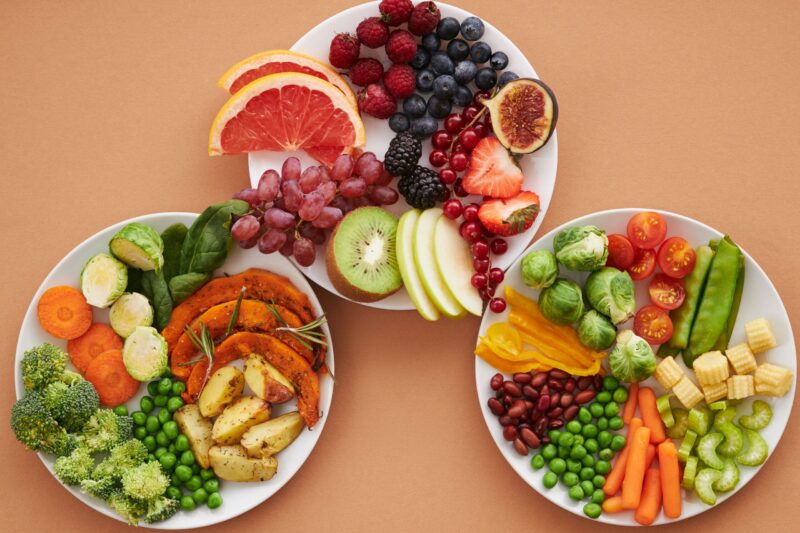
Fiber is a type of carbohydrate found naturally in plant foods, but unlike other carbohydrates, it is not completely broken down and absorbed in the small intestine. Fiber also comes in many forms, and as each type continues through the digestive tract, it can interact with your body in unique ways.
You can find fiber in a wide range of foods, including:
- Fruits (e.g., berries, apples, pears, oranges)
- Vegetables (e.g., broccoli, carrots, brussels sprouts)
- Whole grains (e.g., oats, barley, whole-wheat bread)
- Beans and other legumes (e.g., lentils and chickpeas)
- Nuts and seeds (e.g., almonds, chia seeds, walnuts, flaxseeds)
You may also see isolated or added fibers on the ingredient lists of packaged foods and fiber supplements, such as fiber-enriched cereals, protein bars, breads, and powdered fiber supplements. These can include specific types of fiber that have been separated from their original food source or synthesized and added to a product. For example, inulin, sometimes listed as chicory root fiber, is a type of isolated fiber that may be added to packaged foods to increase the fiber content. Inulin is an example of a type of fiber that has been extracted and purified from the natural plant source it came from before being used as an ingredient to increase the fiber content of certain packaged foods and fiber supplements.
What Are the Different Types of Fiber?
Fiber is often thought of as one singular nutrient, but it is actually a broad category that includes several types that each behave differently in the body. A single food may contain multiple types of fiber, each offering unique benefits. While some types help with the regular movement of food through your digestive system, other types pass through to the large intestine where they are broken down by the microorganisms living in your gut.
| Type of Fiber | How it Works | Common Food Sources |
|---|---|---|
| Soluble Fiber | Dissolves in water to form a gel-like substance in the digestive tract. This slows digestion and affects how quickly nutrients, including carbohydrates, are absorbed. | Fruits – apples, pears, citrus, berries, plums, peaches, apricots |
| Vegetables – carrots, broccoli, Brussels sprouts, sweet potatoes, turnips, onions, asparagus | ||
| Legumes – beans, lentils, chickpeas | ||
| Grains – oats, barley, rye | ||
| Seeds – chia seeds, flaxseeds | ||
| Insoluble Fiber | Does not dissolve in water. It helps add bulk to stool and supports regular bowel movements. | Fruits – apples and pears with skin, berries, grapes, bananas, oranges |
| Vegetables – green beans, cauliflower, zucchini, leafy greens, potatoes, celery, bell peppers | ||
| Legumes – beans, lentils, peas, chickpeas | ||
| Grains – whole wheat, brown rice, rye | ||
| Nuts & seeds – almonds, walnuts, flaxseeds, chia seeds | ||
| Resistant Starch | As its name suggests, it resists digestion in the small intestine, and travels to the large intestine where gut microorganisms ferment it. | Fruits – unripe (green) banana, plantain (cooked) |
| Potatoes – all varieties, including sweet potatoes | ||
| Beans and legumes (cooked) – lima or butter beans, kidney beans, black beans, lentils | ||
| Breads – sourdough, rye, pumpernickel | ||
| Grains – barley, pasta, rice, oats, corn tortilla | ||
| Fun fact: the way you prepare some foods can affect their resistant starch content. Cooking and then cooling certain starch-containing foods, such as potatoes and rice, can increase the amount of resistant starch they contain. |
How Does Fiber Impact Health?

Fiber supports health in many ways. Both soluble and insoluble fiber have been associated with heart health and metabolic function by supporting healthy cholesterol and blood glucose levels. For example, soluble fiber binds to cholesterol in your digestive tract and helps clear it from your body before it enters your bloodstream which can help lower LDL cholesterol levels. A fiber-rich diet can also help lower systemic inflammation, a contributor to increased chronic disease and cancer risk. Additionally, both soluble and insoluble fiber slows digestion, which can contribute to feelings of fullness, helping to keep you satisfied after a meal. By slowing digestion, fiber also slows sugar absorption which reduces blood sugar spikes that can damage blood vessels over time. This slowed absorption may improve insulin sensitivity and lower the risk of type 2 diabetes.
In addition, when certain fiber types, like resistant starch, reach the large intestine, gut microorganisms can break them down through a process called fermentation. This produces compounds called short-chain fatty acids (SCFAs), which play important roles in the gut and throughout the body. Benefits of this fermentation process include reducing inflammation and supporting metabolic and immune health.
In addition to supporting the gut microbiome, fiber plays an important role in digestion. Insoluble fiber can help add bulk to stool, while certain soluble fibers absorb water and form a gel-like substance. Together, these effects help regulate the movement and consistency of stool throughout the digestive tract, which can help manage constipation and diarrhea. Since soluble fiber plays a role in slowing digestion, this can also allow more time for nutrients to be absorbed.
So how do I get the benefits of different fiber types? Overall, eating a variety of plant foods is a great place to start. A practical and sustainable way to incorporate this goal is to use the plate method. At most meals, aim to fill half your plate with fruit and non-starchy vegetables, one-quarter of your plate with high-fiber carbohydrates, and the remaining quarter of the plate with a lean protein to complete a balanced meal. Challenge yourself to include a mix of different fruits, non-starchy vegetables, and high-fiber carbohydrates throughout the week.
How Much Fiber Do You Actually Need?
Now for the question you’ve probably been waiting for: How much fiber should you eat each day?
The recommended amount of fiber varies based on factors such as age, sex, and how many calories you consume each day, with specific needs varying between individuals and life stages.
The dietary guidelines recommend a daily fiber intake of 14 grams per 1,000 calories consumed. As a general reference, for most adults, this looks like 25-38 grams of fiber per day, with 25 grams minimum as a good place to start.
Despite these recommendations, most adults consume less than half of the recommended daily amount. While this may make the “fiber-maxxing” trend sound like a great idea, more fiber is not automatically better. Increasing fiber intake too quickly can lead to digestive discomfort, such as gas, bloating, and changes in bowel movements. To minimize negative digestive side effects from increasing fiber too quickly keep in mind the tips below:
- Increase fiber gradually – Aim to increase your fiber intake by no more than 5 grams per day. Add one new high-fiber food at a time rather than completely changing your diet overnight, allowing your digestive system time to adjust.
- Drink enough water – Water helps fiber move through your digestive system. As you increase fiber intake, make sure to also increase water intake.
- Spread fiber throughout the day – Instead of trying to eat most of your fiber at one meal, include fiber-rich foods at meals and snacks throughout the day.
- Start with easier to digest options – Cooking and preparation methods can help certain high-fiber foods be more digestible. Start with cooked veggies, peeled fruits, rinsed beans, or blended fruits/veggies before switching to harder to digest options.
- Listen to your body – Everyone’s digestive system is different, so pay attention to how your body responds as you increase fiber and adjust as needed.
How To Eat More Fiber
To consistently meet the daily fiber recommendations, try making a few of these small swaps.
| Instead of… | Try… |
| White bread | Whole-grain bread |
| Plain yogurt | Yogurt topped with berries and chia seeds |
| Tacos without beans | Add black or pinto beans |
| Plain pasta | Add vegetables and a bean-based sauce or side |
| Chips as a snack | Fruit paired with nuts |
| Low-fiber breakfast | Oatmeal topped with fruit and seeds |

Do You Need a Fiber Supplement?
With fiber powders, gummies, and fortified foods becoming increasingly popular, you may be wondering whether you need a fiber supplement to meet your needs.
Fiber supplements can provide specific types of fiber and may be useful in certain situations, but not every fiber supplement is created equally. The type of fiber used in a supplement influences how it functions in the body, including its ability to add bulk, form a gel, or be fermented by gut microorganisms. Psyllium husk is an example of a common ingredient in over-the-counter fiber supplements. Psyllium husk functions by absorbing water and forming a gel-like substance, which may support stool consistency and digestive function. In contrast, inulin, also known as chicory root fiber, is a type of fiber that is more readily fermented by gut microorganisms and can provide a source of fuel for the gut microbiome. Understanding the properties of ingredients in a fiber supplement can help you determine how it may function in the body and whether it is appropriate for your individual needs.
While supplements can help individuals meet specific fiber needs, whole foods offer more than just fiber, such as vitamins, minerals, and other beneficial plant compounds. In addition, certain factors like your digestive system and certain health conditions can also impact your individual fiber needs and whether a supplement is a safe options or not. To help navigate your fiber needs, consider talking with a registered dietitian nutritionist.
So, Should You Be “Fiber-Maxxing”?
Although there is no official upper limit or maximum safe ceiling established for fiber intake, more is not necessarily always better. While many individuals could benefit from eating more fiber, reframing the goal from “maxxing” to “meeting your needs consistently” is more beneficial for overall health.
About the Author
Vessa is a senior majoring in Health and Exercise Science and minoring in Nutrition and Business. She says “I am particularly interested in nutrition, chronic disease prevention and overall health promotion. I have become especially interested in how our modern food environment and the increasing availability of ultra-processed foods can influence dietary patterns and long-term health. I am passionate about understanding how evidence-based nutrition and sustainable lifestyle changes can help prevent chronic disease, promote healthier lives, and improve quality of life.” Vessa’s career goal is to pursue a career in nutrition and health, particularly in areas such as nutrition counseling, health promotion, and chronic disease prevention. She still exploring the different career paths within nutrition, including the possibility of becoming a registered dietitian, and is excited to use her experience at the KRNC to learn more about the field and determine the direction she would ultimately like to pursue.
More Information
For additional resources for healthy eating, check out these programs from our registered dietitian nutritionists. Find delicious and healthy recipes on our Recipes page! More health tips are also available at the College of Health and Human Sciences Pinterest board. Lastly, don’t forget to sign up for the KRNC monthly newsletter!