


November 2025 Learn What Makes Cranberries So Cran-Tastic!
By Makenzie Boyce and KRNC staff
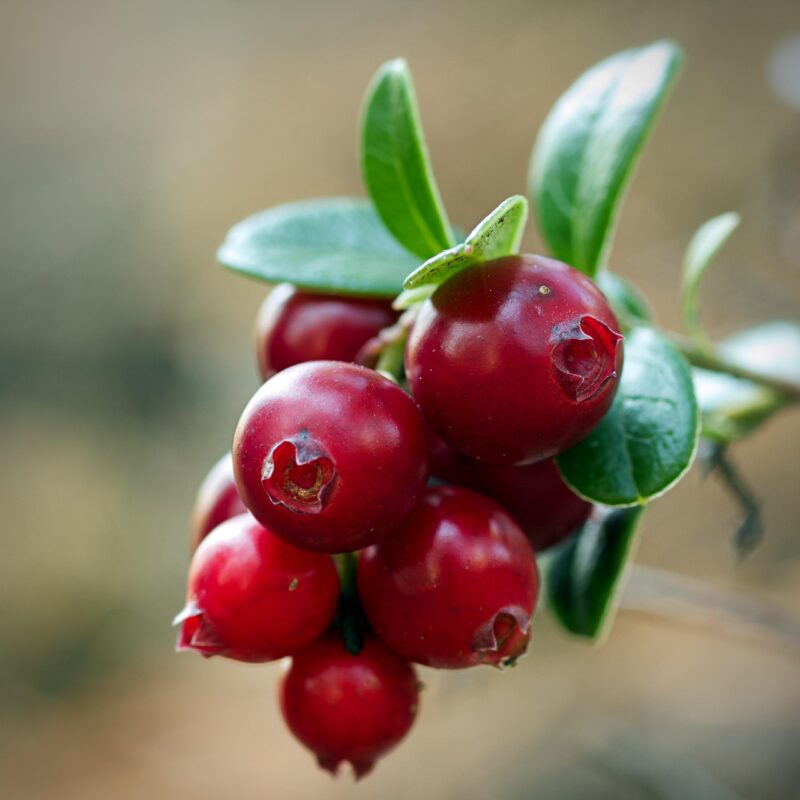
Cranberries are a widely recognized fall favorite, often used in beloved seasonal dishes during the holiday season. However, cranberries have a rich history that goes beyond their association as a holiday food. Before commercial cultivation, wild cranberries had long been used for a variety of purposes such as medicine for scurvy, fabric dye, and as a flavorful addition to pemmican, a high-protein bar that combines meat, fat, and dried berries.
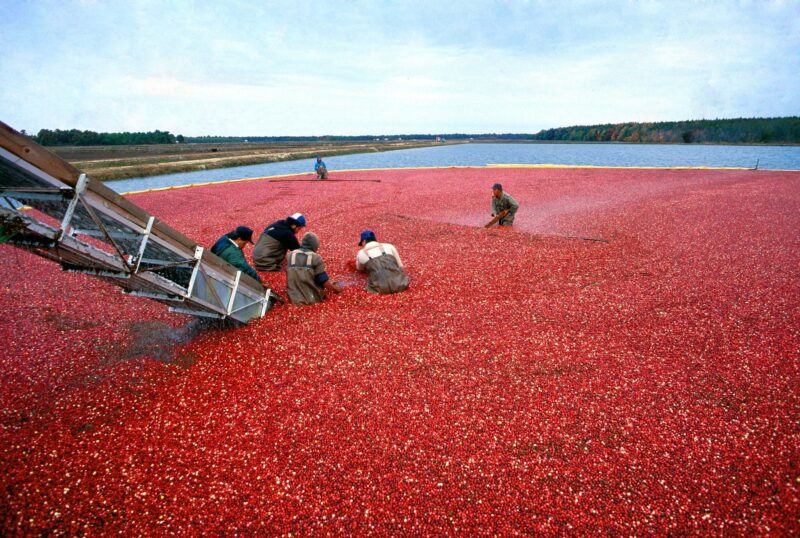
Cranberries are native to North America, specifically the New England region. Wetland areas originated from melted glaciers tens of thousands of years ago, which created the bogs necessary to support the growth of the low-hanging cranberry vines. They first became commercially available starting in the 1800s on Cape Cod and later spread to New Jersey, Wisconsin, and the Pacific Northwest. These regions all provide the wetland habitat cranberries need to thrive. While most of the photos you might see of bogs show bodies of water filled with cranberries, they do not actually grow in this way. Farmers will intentionally flood large wetland areas to make cranberry collection easier in the fall months. Continue reading to learn more about the nutritional benefits of cranberries and how to use them in your dishes!
When are cranberries in season?
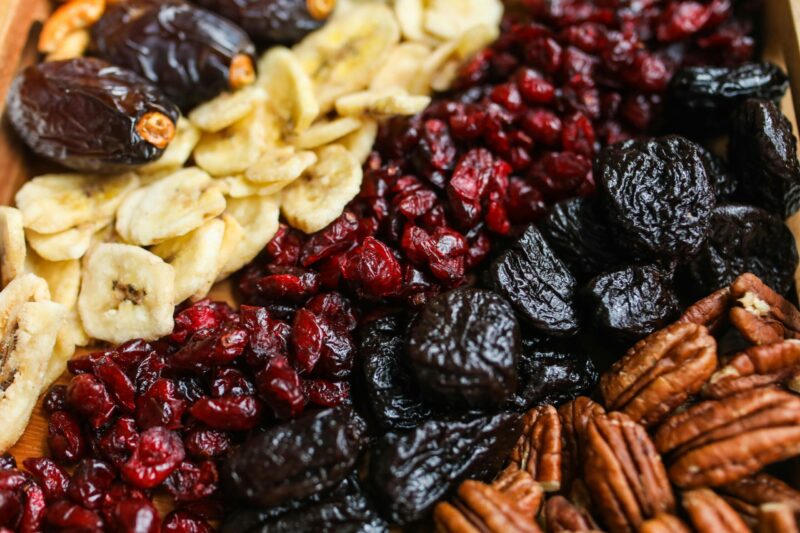
Cranberries are harvested in the fall months, usually from September to November, with peak harvest being in October. While this is the season that you can purchase fresh cranberries, they can also be enjoyed year-round, either dried or frozen. If you are seeking fresh cranberries for use in your favorite holiday dishes, such as cranberry salsa or cranberry jelly, you will want to start searching the grocery store shelves in October through December. They can be found in the fresh produce section of most major grocery stores during peak months and in the frozen food aisle or dried on the shelves during non-peak months. You can also buy fresh cranberries in the fall and freeze them yourself to enjoy year-round.
How to pick cranberries
When selecting cranberries, look for color and firmness. They should ideally be a dark red color with a glossy texture and be firm. A good trick that is commonly used during harvesting is the “drop test”. A fresh and high-quality cranberry will bounce when dropped. You can use this quick trick if you are questioning whether you’ve picked ripe ones.
What are the nutrition benefits of cranberries?
The reason cranberries have historically been used for medicinal purposes is due to their rich antioxidant content. Antioxidants help protect cells against damage from harmful molecules that can contribute to disease and inflammation (read more about antioxidants here). Specifically, cranberries are high in vitamins C, E, and K, which are powerful antioxidants that help support immune function and skin health.
A common medicinal use for cranberries is to help prevent urinary tract infections (UTIs). Cranberries contain a compound called proanthocyanidins that can reduce bacteria, such as E. coli, from sticking to the walls of your urinary tract. In a similar fashion, cranberries can help with our oral health by preventing bacteria from sticking to teeth and causing cavities and gum disease. While cranberries can help with reducing the risk for UTIs, it is important to note that they cannot cure existing UTIs or other conditions.
Cranberries are also rich in fiber, which is beneficial for digestion and in supporting overall gut health. If you look at the nutrition facts for one cup of cranberries, you will discover that it provides 3.6 g of dietary fiber (13% of the daily value).
How can I use cranberries?
While cranberries can be enjoyed raw, many do not enjoy the extremely tart flavor. To cut the tartness, baking and sweetening cranberries with sugar, honey, or syrup can be a good alternative. Cranberries can be a great addition to many delicious recipes like sauces, pies, chutneys, salsas, and even smoothies. In their dried form, they are great on a salad or in granola and trail mix. Around Thanksgiving, cranberry sauce is very popular as it pairs great with meats like turkey or pork. Cranberries also pair well with spices such as cinnamon, nutmeg, and cloves. A great recipe, for example, would be a festive fall dip that includes cranberries, diced green onion, minced jalapeño, diced cilantro, and honey drizzled over cream cheese. This dip is best enjoyed with a thin cracker.
How do I store fresh cranberries?
Similar to many other fresh fruits, cranberries should be thoroughly washed and stored in a sealed container in the refrigerator. High-quality cranberries can usually last 4 weeks in the refrigerator before you start to see the deterioration of the fruit. If you want them to last a little longer, you can freeze your cranberries and expect them to stay good for up to one year. Just make sure to rinse and dry the fruit well before freezing!
Did you know?
A fun fact about cranberries is that they have an air pocket at their center, which allows the berries to float when harvested. During the fall months, farmers will flood the cranberry bogs so that the fresh berries float to the surface, which expedites the process. This unique process is called “wet harvesting”.
About the Author
Makenzie Boyce is a senior majoring in Food Science and Human Nutrition with a focus on dietetics. Boyce is particularly interested in clinical dietetics, specifically pediatrics and possibly oncology. A fun fact about her is that her best friend is a yellow lab named Sullivan.
More Information
For additional resources for healthy eating, check out these programs from our registered dietitian nutritionists. Find delicious and healthy recipes on our Recipes page! More health tips are also available at the College of Health and Human Sciences Pinterest board. Lastly, don’t forget to sign up for the KRNC monthly newsletter!