


February 2026 Supporting Your Pulse with Pulses
By KRNC Staff
Not only is February the month of love, but it is also National Heart Health Month! Considering the high prevalence of heart disease in the United States, it is important to consider the many factors that play a role in our heart health, with diet being an impactful contributor.
Maintaining an active lifestyle and a healthy dietary pattern can help reduce the risk of heart disease by improving biomarkers such as cholesterol, blood pressure, and blood sugar. While many dietary choices impact heart health, this article will focus on the nutritional benefits of a frequently overlooked food group: pulses.
A Background on Pulses
Pulses are the edible seeds of legumes that grow in pods and come in a wide variety of colors, shapes, and sizes. The most common types of pulses in the US are beans, lentils, chickpeas (also known as garbanzo beans), and dry peas. One interesting distinction between pulses and legumes is that all pulses are legumes, while not all legumes are pulses. Legume refers to the entire plant, including the leaves, stem, and pods, while pulse refers to only the dried seed.
The history of the growth and consumption of pulses can be traced back to more than 11,000 years ago in the Fertile Crescent region of the Middle East. Pulses have long been a nutrient-dense staple in many cultures, and fortunately, they remain a widely accessible and nutritious option thanks to their low cost and long shelf life.
While the nutritional profile of pulses differs depending on the variety, they all provide heart health benefits due to their high fiber, polyphenol, and antioxidant content. Let’s break down the unique nutritional profiles and heart-healthy benefits of pulses further.
Nutritional Benefits of Pulses
Beans are a great option for heart health, primarily due to their high soluble fiber content. Soluble fiber not only supports digestion but also helps manage blood sugar, cholesterol, and blood pressure. Just half a cup to one cup per day may help reduce cardiovascular disease risk. Darker beans, such as black beans and kidney beans, are particularly rich in phytochemicals that may help combat inflammation. Beans also contain important nutrients like folate, thiamin, iron, potassium, and zinc.
Chickpeas are full of fiber and protein, as well as vitamins and minerals. Just one cup of chickpeas contains about 12 grams of fiber and 14 grams of protein. Though they have many vitamins and minerals, they are a great source of beta-carotene and selenium. Beta-carotene and selenium are antioxidants that help protect cells in the body from damage. Read more about antioxidants and their benefits here.
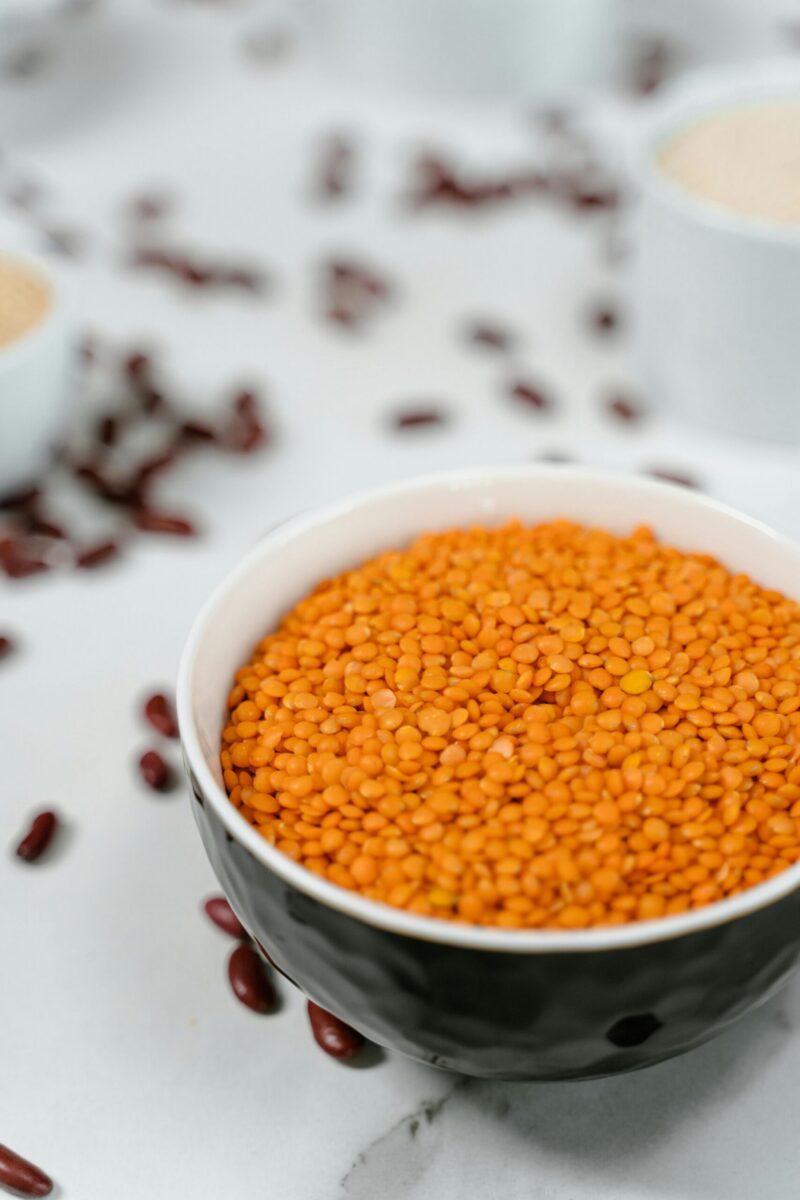
Lentils, similar to beans and chickpeas, are rich in polyphenols, fiber, and protein. The polyphenols in lentils, which are a type of antioxidant, may help lower blood pressure and cholesterol, both of which are important for heart health. Lentils are also an excellent source of iron, folate, potassium, and manganese.
Like all other pulses, dry peas are a great source of fiber and protein. Dry peas also contain several vitamins and minerals and are especially rich in B vitamins which are involved in many processes in the body, including energy production. Dry peas are also high in potassium and magnesium, which are both essential for blood pressure regulation. Just ½ cup provides 16% of your daily value (DV) of potassium and 15% DV of magnesium.
Buying and Cooking Pulses
Most chickpeas and beans are available to buy dry or canned. If using canned, you can simply drain and rinse the beans to wash away the salt, or you can look for no-salt-added or low-sodium options at the grocery store. When buying dry chickpeas or beans, they should be cleaned and soaked before cooking. Here are different options for soaking beans:
- Soak beans or chickpeas by placing them in a large pot of water with 6-10 cups of water per 2 cups of dry beans/chickpeas for at least 8 hours.
- Add beans to a large pot and add enough water to cover the beans plus 2 inches. Bring the water and beans to a boil and boil for 2-3 minutes. Remove from the heat, cover, and let stand for 1-1.5 hours to allow for time to soften.
Fun Fact! Soaking pulses lessens the cooking time and reduces digestive problems such as gas and bloating by dissolving their complex sugar called oligosaccharides that the human body has trouble breaking down. Don’t forget to drain the water after soaking to help remove this gas-producing compound.
Lentils can also be found dry or canned, but unlike dry beans and chickpeas, they do not need to be soaked. If digestibility is a concern, soaking lentils for 2-4 hours may improve tolerance and reduce cook time. You may consider rinsing dry lentils before cooking to help remove any dust or debris. Lentils come in several colors, including brown, green, red/yellow, and black. Each lentil color has a different firmness, which impacts its cook time. To avoid crunchy or mushy lentils, take note of what types require more or less cooking. Black lentils are the firmest and require the longest to cook. Their firmness allows them to hold their shape well, which makes them a great addition to dishes such as salads or grain bowls. Brown and green lentils are less firm than black lentils, but also hold their shape well. Brown and green lentils work great in many dishes, but are particularly well-suited for hearty soups and stews. Red, yellow, and orange lentils require the least amount of cook time and are often used in creamy purees and curries.
You can find dry peas either whole or as green (or yellow) split peas. Like chickpeas, beans, and lentils, dry peas are not cooked, so they should be rinsed before use but do not need to be soaked. Split peas cook faster than whole peas, roughly taking 30 to 60 minutes instead of 60 to 90 minutes. Dry peas are ideal for soups, stews, and purees. Interestingly, fresh peas, such as garden peas, snap peas, or snow peas, are part of the legume family but are not pulses!
So, How Can I Eat More Pulses this Month?
We were hoping you would ask that! Here are some ideas:
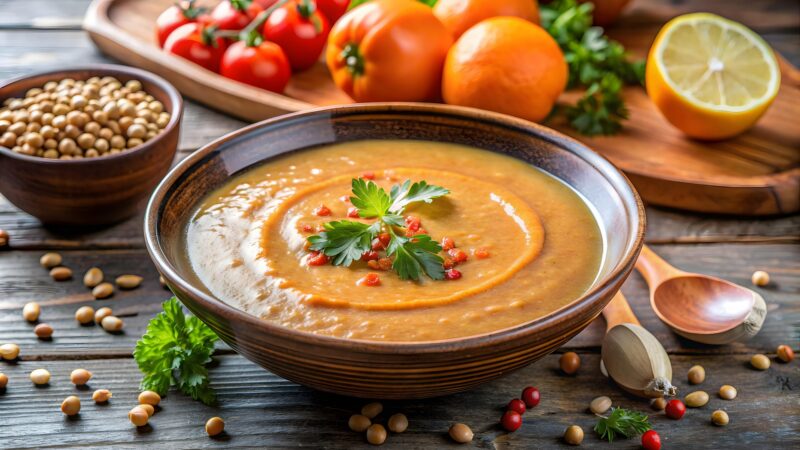
- Add beans to your favorite soup or stew, especially now that it’s getting colder. Or, consider making them the base of the soup, as is the case with lentil stew or split pea soup.
- Roast chickpeas or black beans with oil and spices of choice for a crunchy snack
- Blend them into dips like hummus, a creamy white bean dip, or even a seven-layer dip (refried beans, guacamole, sour cream, salsa, shredded cheese, diced tomatoes) if you’re feeling fancy
- Toss pulses into a grain bowl that you already love
- Try them in a dessert…yes, really! Black bean brownies and black bean chocolate mousse are some of our favorites, as well as our white bean chocolate chip cookies. Check out our recipe here!
Fun Fact
Have you ever wondered why Navy beans are called that, even though they’re not navy colored at all? Navy beans originated in Peru thousands of years ago, but they gained popularity in the late 1800s when they were a staple food item for United States sailors aboard Navy warships. You might have noticed that they’re similar to cannellini and Great Northern beans, and fortunately, they can be used interchangeably in most recipes.
More Information
Looking for a hands-on bean cooking experience? Check out our Heart Healthy cooking class taking place in Fort Collins on February 20th.
For additional resources for healthy eating, check out these programs from our registered dietitian nutritionists. Find delicious and healthy recipes on our Recipes page! More health tips are also available at the College of Health and Human Sciences Pinterest board. Lastly, don’t forget to sign up for the KRNC monthly newsletter!