


Lab Mission
The Community Nutrition and Nutrition Education Lab focuses on improving nutrition, food and nutrition security, and health equity through community-driven research, culturally grounded nutrition education, and clinic–community approaches that enhance access to healthful foods and nutrition education resources.
Much of our work is conducted in partnership with American Indian and Alaska Native communities and other populations disproportionately affected by food and nutrition-related health inequities. We use qualitative and mixed-methods, community-engaged research, and multilevel intervention design to co-create, adapt, and evaluate nutrition education programs and food access strategies that reflect local priorities, cultural strengths, and community leadership.
Primary Objectives:
- Advance culturally grounded nutrition education by developing, adapting, and evaluating community- and clinic-based programs that support healthy eating across the lifespan, including projects such as the What Can I Eat? curriculum and other locally driven nutrition education efforts.
- Address food and nutrition insecurity by partnering with communities and health systems to integrate food access supports—including produce prescription, food-as-medicine models, and SNAP-Ed–supported initiatives—into multilevel prevention and health promotion strategies.
- Strengthen community-led and Indigenous-led approaches through collaborative research structures such as community advisory boards, co-creation processes, and long-term partnerships that ensure nutrition programs are culturally relevant, responsive, and sustainable.
- Train future practitioners and scholars by engaging students in community-based qualitative and mixed-methods research, nutrition education development, and dissemination efforts focused on food security, community nutrition, and health equity.
Our Team
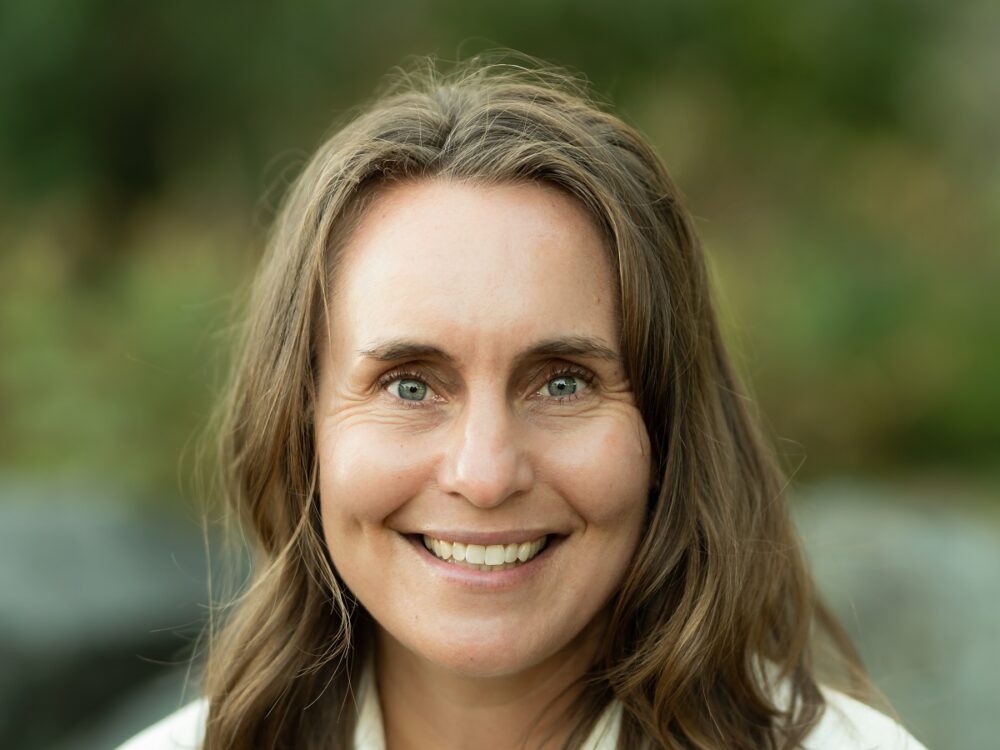
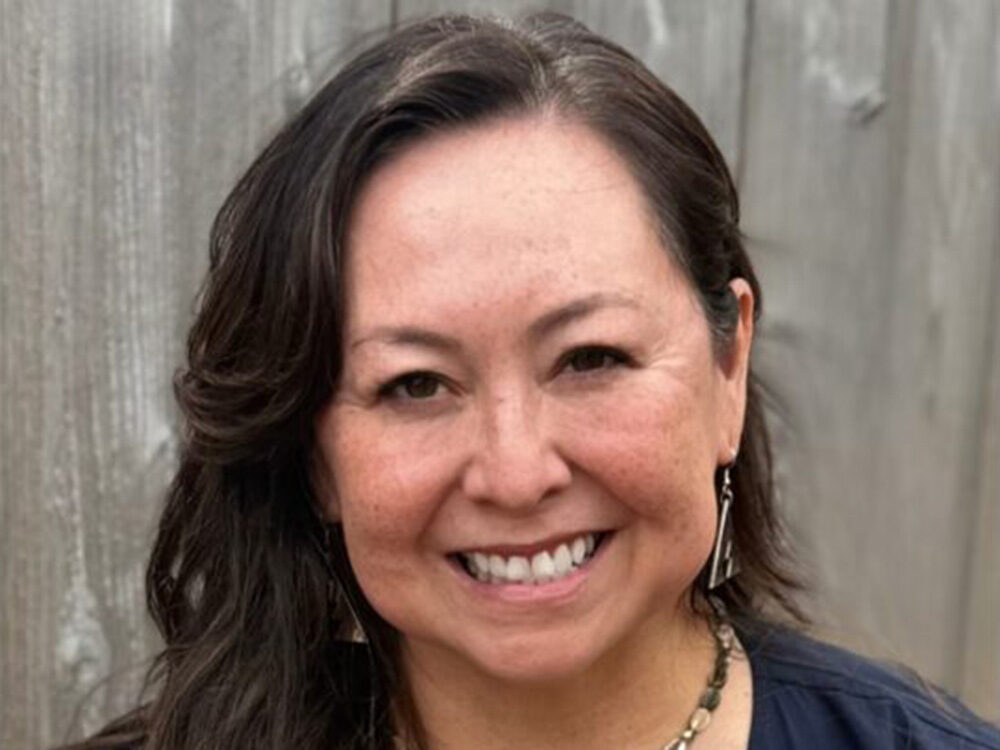
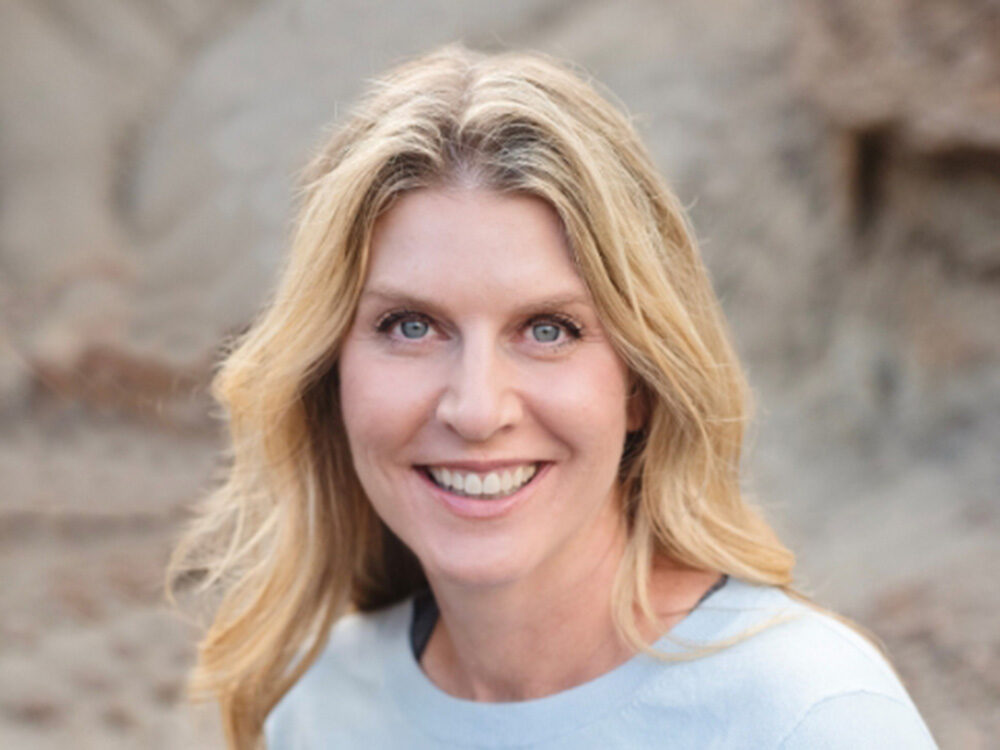
Our Team consists of the following individuals in addition to graduate students Food Science and Human Nutrition and Public Health who contribute to study coordination, qualitative and quantitative data collection, analysis, and development of curriculum and educational materials related to diabetes, gestational diabetes risk reduction, food insecurity, and Food is Medicine/produce prescription programs.
Current Research
Exploring Food Insecurity and Diabetes Nutrition Education for American Indian and Alaska Native (AI/AN) Adults with Type 2 Diabetes
This program of research evaluates the “What Can I Eat? Healthy Choices for American Indian and Alaska Native Adults with Type 2 Diabetes” curriculum and an accompanying healthy food access service among AI/AN adults with type 2 diabetes. Using a randomized, waitlist-controlled design and mixed methods, the studies examine impacts on healthy eating behaviors, diabetes nutrition self-efficacy, and diabetes self-management while exploring how food and nutrition insecurity shape these outcomes.
Colorado Center for Diabetes Translational Research (CO-CDTR)
As a CO-CDTR Co-Investigator, Dr. Stotz contributes expertise in nutrition, community-engaged qualitative research, and culturally adapted diabetes education. She also leads the CO-CDTR Enrichment Program, which provides training, professional development, and knowledge-sharing for investigators, community partners, and clinicians working to advance diabetes prevention and treatment in AI/AN populations. Through these roles, Dr. Stotz helps strengthen the CO-CDTR’s capacity to support innovative food and nutrition-related projects and to disseminate best practices that reflect community priorities and Indigenous strengths.
Indigenous Women’s Health Workgroup (IWHW)
The Indigenous Women’s Health Workgroup is a growing, cross-disciplinary network dedicated to elevating Indigenous women’s voices and advancing a shared agenda for Indigenous women’s health. Formed through an inaugural two-day co-creation workshop in April 2024, the Workgroup brought together Indigenous women and allies across the United States to identify priority health issues, structural barriers, and culturally grounded pathways for improving wellbeing.
Using Indigenous methods—such as talk-story dialogue and consensus-building—the group articulated key themes and future directions, which are summarized in the published workshop proceedings. Dr. Stotz serves as one of the founding collaborators, supporting qualitative inquiry, nutrition-related perspectives, and continued coordination of Workgroup activities. The group now meets quarterly, shares resources, and collaborates on manuscripts and future gatherings to strengthen Indigenous-led approaches to holistic health for Indigenous women.
SNAP-Ed and Culturally Grounded Nutrition Education in Indigenous Communities in Colorado
This SNAP-Ed–supported work focuses on community-based nutrition education with American Indian and Indigenous communities in Colorado. In partnership with American Indian and Indigenous-led and serving organizations, the lab evaluates innovative, culturally relevant education strategies and materials and documents how SNAP-Ed can support Indigenous-led nutrition education initiatives and improved healthful food access.
Colorado SNAP Ed [IHGA # 177430] PI: Puma; CO-I Stotz
Food Insecurity and Gestational Diabetes Risk Reduction among AI/AN Adolescents and Young Adults
This research explores food insecurity as a social determinant of health among American Indian and Alaska Native adolescent and young adult females known to experience a disproportionate burden of gestational diabetes. Qualitative and mixed-methods studies examine how food insecurity intersects with health beliefs, knowledge, and behaviors, and inform culturally grounded gestational diabetes risk reduction and preconception counseling interventions.
Rooted in Co-creation
Our lab is deeply committed to long-term, trust-based partnerships with American Indian, Alaska Native, Native Hawaiian, and Indigenous communities and other communities experiencing health inequities. We prioritize co-learning, reciprocal benefit, and shared leadership in all of our projects.
Much of our work focuses on listening to understand the community’s needs, strategies for improvements, strengths, and priority outcomes as determined by community members and community leadership. Trainees in our lab gain hands-on experience with community-based participatory research, qualitative, and mixed-methods approaches, and implementation science, while contributing to real-world efforts to improve access to healthy food and culturally-grounded nutrition education. We welcome collaboration with students, faculty, community partners, and health systems who share these values.