


What is the OTEEC Partnership Model?
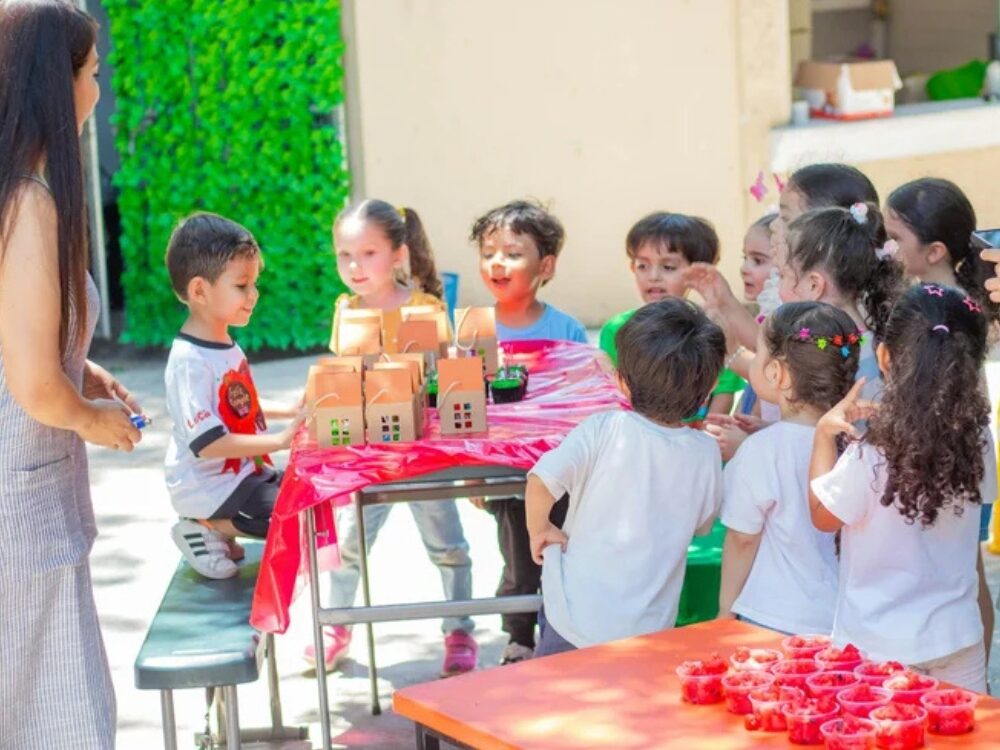
The Occupational Therapy Embedded in Early Childhood Education (OTEEC) Model is an innovative approach that integrates occupational therapy (OT) services directly into early childhood education settings. OTEEC provides all children, regardless of developmental status, immediate access to supportive and preventative occupational therapy practices within their everyday classroom routines. By fostering collaboration among therapists, teachers, and families, the OTEEC model promotes children’s learning, confidence, and overall development in a natural, inclusive environment.
Initiatives Current OTEEC Partnerships


Selected Publications
Journal Article: Occupational therapy embedded in early childhood education (OTEEC)
Developing a population-focused, place-based approach to early intervention through occupational therapy and early childhood education center partnerships.
Journal Article: Does Play-Based Learning Support Children’s Everyday Resiliency?
A Cross-Case Analysis of Parents’ and Kindergarten Teachers’ Perceptions of Play-Based Learning as a Precedent to Young Children’s Coping During the Pandemic-Affected 2020–2021 School Year
Journal Article: Entering Kindergarten After Years of Play
A cross‐case analysis of school readiness following play‐based education
Research
Children's Brain Development
- Brain development is directly dependent on social-emotional experience, with growing bodies of research revealing the importance of socially triggered epigenetic contributions to brain network configuration, affecting cognition, motivation, and learning.
- Infants thrive with stable routines, emotional support from attentive caregivers, adequate nutrition, and plentiful exposure to language, which tunes their brain development to their specific environment.
- Stress from threats to emotional safety and feelings of belonging can be toxic to brain development, impacting neural functioning and cognitive performance.
- The brain’s malleability, or plasticity, is largely triggered and organized via socially enabled, emotionally driven opportunities for cognitive development.
- By adopting a population-focused, place-based approach to occupational therapy involvement, all children, parents, teachers, and administrators have access to an occupational therapist during the critical first five years of a child’s life, when children are most malleable to supportive interventions.
— Immordino-Yang et. al., 2019
Influence of OTEEC Partnership Model
- The OTEEC Partnership Model provides immediate access to an occupational therapist for children needing developmental support, without the need for referrals or meeting certain thresholds of delay, thereby creating a more equitable service delivery approach.
- Embedded occupational therapists spend at least four hours a day in classrooms, engaging meaningfully with children and collaborating closely with teachers, which enhances classroom support and fosters healthy transitions for children.
- Participants in the study valued the OTEEC Model for its universal access, collaborative partnerships, and integration of occupational therapy practices within early childhood settings, highlighting its potential to support all children’s development.
— Fyffe, 2024
- The majority of preschool-based OT practice occurs at the Tier 3 level and focuses on supporting individual preschoolers with known disabilities receiving special education services with limited examples of occupational therapists implementing schoolwide preschool services at the Tier 1 level and targeted intervention for children at-risk Tier 2 level.
— Hintz et. al., 2024
Reggio Emilia Approach
- Research confirms that REA fosters children’s agency, allowing them to participate actively in their learning processes and drive their own development.
- Children’s interactions within REA environments are characterized by exploration, collaboration, and self-expression, which are crucial for their holistic development.
- Implementing REA practices has led to increased exploratory and creative engagement among children, supporting their natural curiosity and capacity for innovation.
- The approach’s emphasis on the ‘hundred languages’ of children encourages diverse modes of expression, nurturing depth and breadth in children’s communication skills.
— Guo & Rouse, 2025
School Readiness
- Approximately 24% of all 2-year-old children were ineligible for EI at 2 years of age but still had poor academic or behavioral outcomes at school entry.
- Among children ineligible for EI services, poor school readiness may be better predicted with a discrete set of clinically available variables, including family-level sociodemographic factors, than through developmental assessment alone.
- An estimated 38% of children served through Individual Education Plans (IEP) in k-12 education were never identified or supported by EI services, suggesting significant gaps in identifying young children who could benefit from early intervention services.
— Nelson et. al., 2016
- Only 18.7% of EI-eligible children received a referral; 26% of those received services for a net enrollment rate of 5% among EI-eligible children.
— MaManus et. al., 2020
- Self-regulation, positive social relationships, and robust approaches to learning are highly predictive of student competency and successful kindergarten transition; therefore, development directly supporting these learning dispositions is critical during the first five years of life.
— Pistorova & Slutsky, 2018
Teacher-Therapist Relationship
- When occupational therapists and teachers are given the opportunity to meet regularly with one another for professional collaboration and are educated as to the role and constraints of one another’s professions, they enjoy more productive professional relationships.
— Zahava et. al., 2023